Samurai Museum Tokyo Complete Review
Samurai Museum Tokyo was once one of the most interesting themed museums for visitors who wanted to learn more about the history of the samurai. It was located in Kabukicho, Shinjuku, one of the busiest districts in Tokyo. The museum was designed to introduce the world of the samurai, the legendary warrior class that played a major role in Japan’s history for centuries.
The museum first opened in 2015 and quickly became popular among international tourists. Unlike traditional history museums that can feel formal or distant, Samurai Museum Tokyo focused on creating a visual and interactive experience so visitors could better understand samurai culture in an engaging way.
Samurai Armor and Weapon Collections
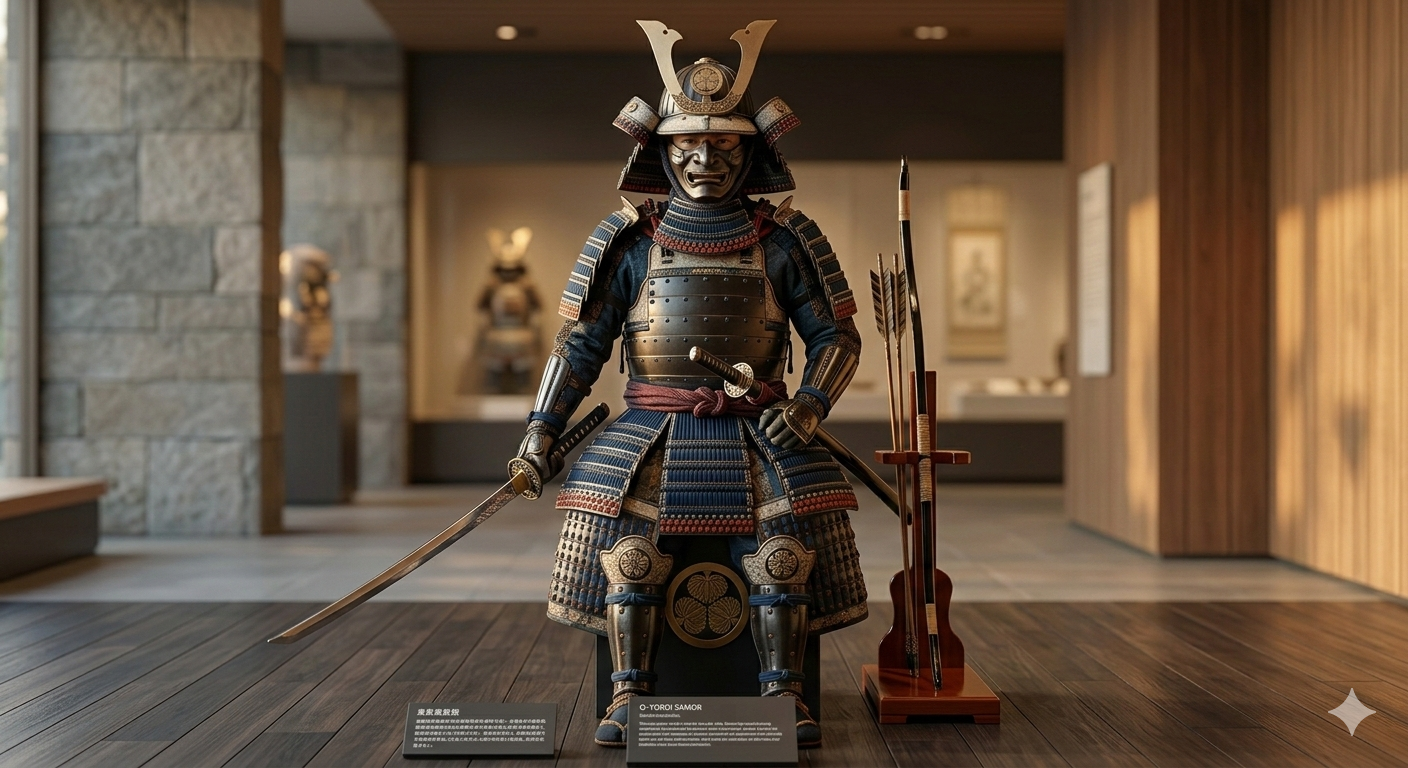
One of the main highlights of the museum was its collection of samurai armor and weapons displayed across several exhibition rooms. Visitors could see different types of traditional armor that samurai warriors used during Japan’s feudal period. These armors were usually made from small metal plates tied together with cords and coated with lacquer to protect them from weather and damage.
In addition to armor, the museum also displayed traditional weapons such as katana, wakizashi, and tanto. The katana in particular is widely known as the symbolic weapon of the samurai and is often considered one of the most iconic swords in Japanese history. Each display typically included explanations about how the weapons were used and their historical significance.
The museum also featured replica armor inspired by famous samurai leaders from Japanese history. These displays helped visitors imagine how powerful warriors and military commanders once appeared on the battlefield.
Interactive Experiences for Visitors
One of the things that made Samurai Museum Tokyo stand out was its interactive experiences. Visitors were not limited to simply observing objects behind glass cases. Instead, they had the opportunity to participate in several activities.
One of the most popular experiences was trying on samurai armor and taking photos while wearing it. Many visitors enjoyed the chance to see what it felt like to wear traditional samurai gear, which is both detailed and surprisingly heavy.
The museum also hosted live samurai sword performances. During these demonstrations, professional performers showed traditional sword techniques using katana. The performances usually explained the basic movements and the philosophy behind swordsmanship in samurai culture.
Guided Tours and Cultural Education
Another highlight of the museum was its guided tours, which helped visitors gain a deeper understanding of samurai history. Through these tours, guests could learn about the philosophy of bushido, the moral code followed by samurai, as well as how the role of samurai evolved throughout different periods of Japanese history.
Guides often explained the function of different armor pieces, the differences between types of swords, and stories about famous samurai figures. These explanations helped visitors understand that samurai were not only warriors but also important figures in Japan’s social and cultural structure.
A Strategic Location in Shinjuku
The museum’s location in Shinjuku made it easily accessible for tourists. Shinjuku is known as one of Tokyo’s main entertainment districts, filled with restaurants, shops, and nightlife attractions. Because of this, many visitors added the museum to their itinerary while exploring the surrounding area.
Its central location made it convenient for travelers who wanted to learn about Japanese history without leaving the busy heart of Tokyo.
Conclusion
Samurai Museum Tokyo offered an engaging experience for anyone interested in Japanese history and culture. With its impressive displays of armor and weapons, interactive activities such as trying on samurai gear, and live sword demonstrations, the museum provided a vivid look into the world of the samurai.
For many visitors, it became an enjoyable way to explore Japan’s past in a more immersive and memorable way. The combination of education, entertainment, and hands-on experiences made Samurai Museum Tokyo a unique cultural attraction in the city.