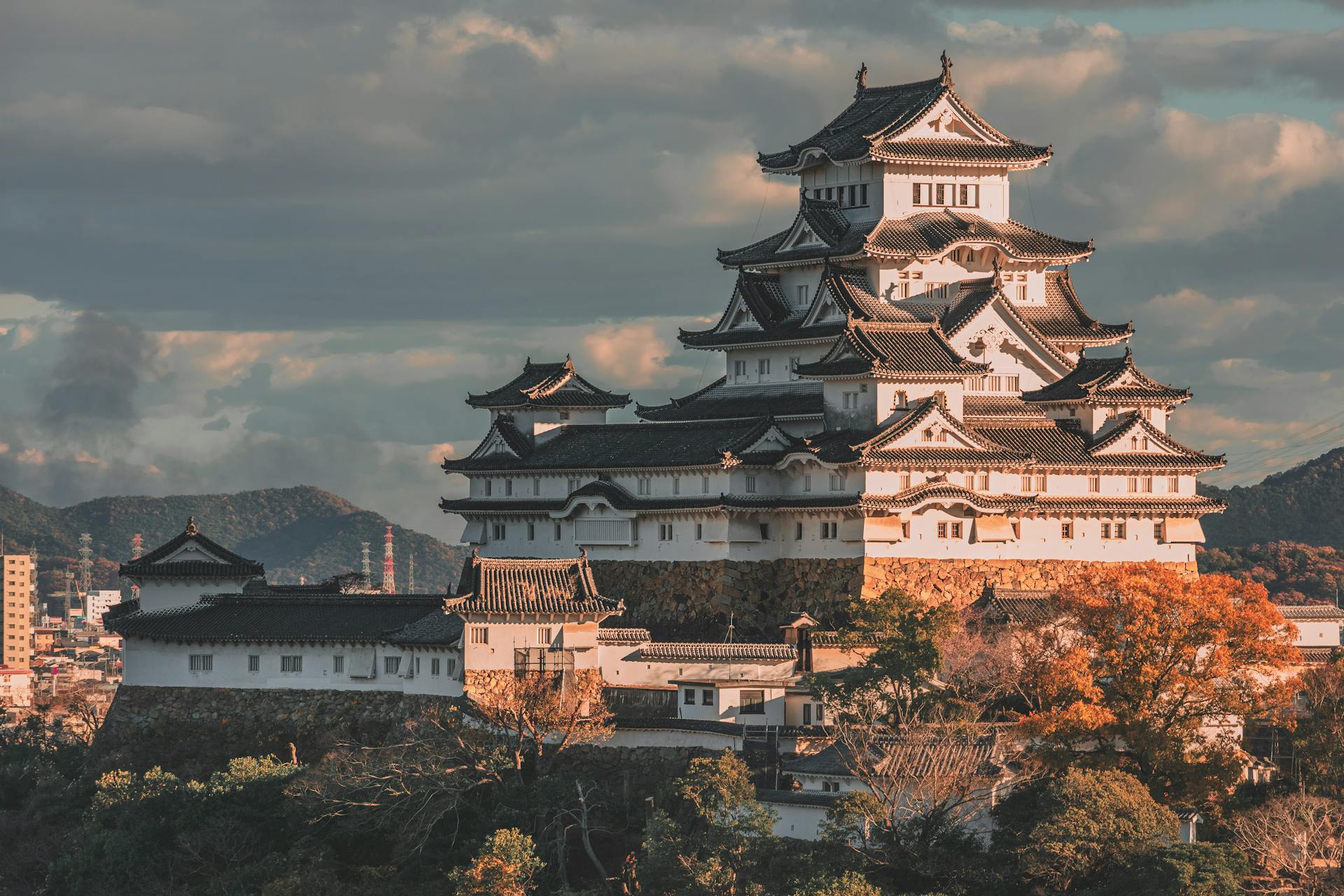
Osaka Castle Architecture & History Guide
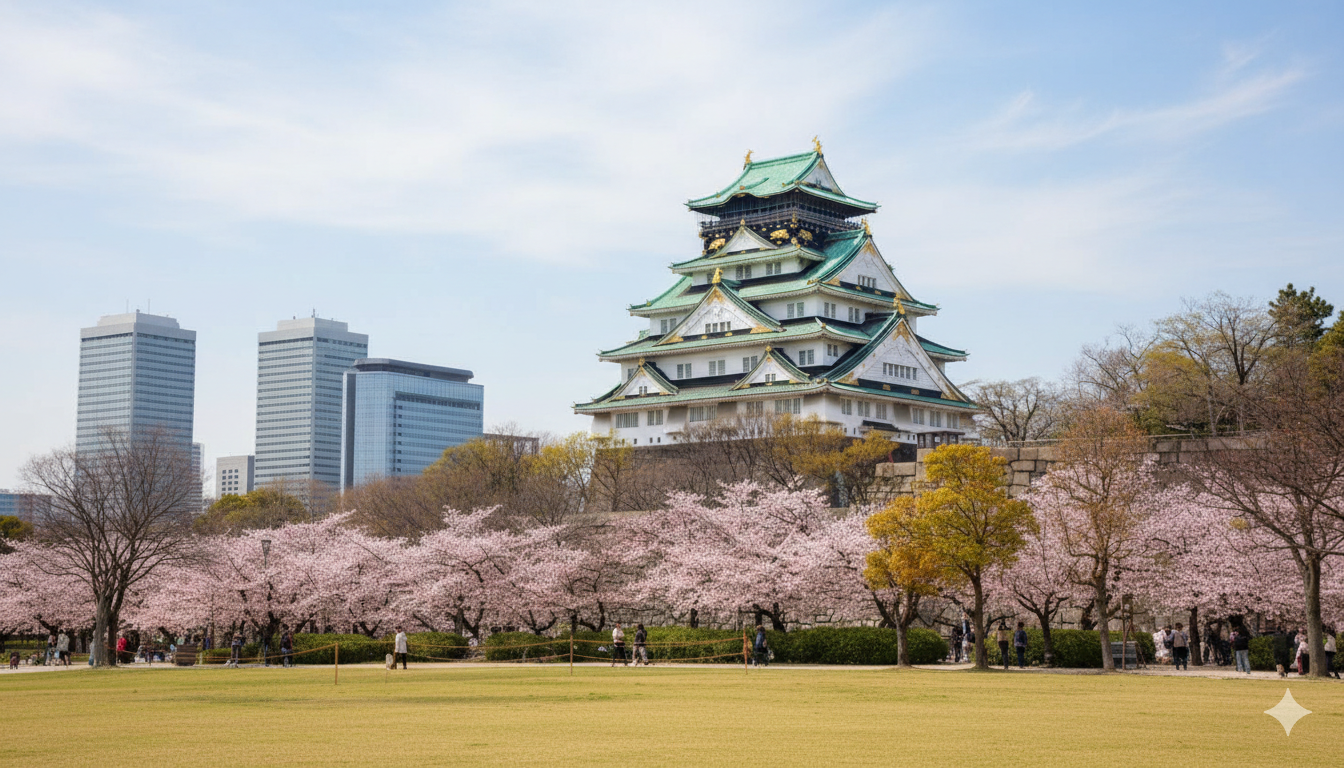
Osaka Castle is one of Japan’s most famous landmarks, located in the heart of Osaka. Known for its impressive scale and historical significance, the castle has played a central role in Japan’s political history since its construction in the late 16th century. Today, it stands as both a cultural heritage site and a popular tourist destination, showcasing traditional Japanese architecture and historical exhibits.
Historical Background
Osaka Castle was originally built by Toyotomi Hideyoshi in 1583 as a symbol of his power and ambition to unify Japan. The castle was heavily fortified with massive stone walls, moats, and watchtowers to withstand attacks. Over the centuries, the castle experienced destruction and reconstruction due to battles, fires, and natural disasters, with the current main tower rebuilt in the 1930s using modern materials while preserving traditional design.
Architectural Features
The castle is renowned for its elegant yet formidable architecture. Its main tower, or tenshu, stands on a high stone foundation and rises multiple stories, providing a commanding view of the surrounding city. The exterior features white plaster walls, green roofs with gold ornamentation, and intricate woodwork, reflecting the grandeur of Japanese feudal castles.
Stone Walls and Moats
One of the most striking features of Osaka Castle is its massive stone walls, built using enormous granite boulders fitted together without mortar. These walls are surrounded by wide moats, which were essential for defense during the castle’s early years. The combination of walls and water creates both a protective barrier and a visually impressive landscape.
Interior and Exhibits
Inside the main tower, visitors can explore multiple floors dedicated to Osaka’s history and Toyotomi Hideyoshi’s legacy. Exhibits include historical artifacts, samurai armor, weapons, maps, and interactive displays explaining the castle’s construction and its role in Japan’s unification. The observation deck at the top offers panoramic views of Osaka city and nearby landmarks.
Castle Grounds and Surroundings
The castle is surrounded by Osaka Castle Park, a large green space featuring gardens, plum and cherry blossom trees, and walking paths. The park is especially popular during spring, when sakura blooms attract locals and tourists alike. Several smaller structures, gates, and turrets are preserved within the park, providing additional insights into feudal-era architecture.
Cultural Significance
Osaka Castle remains a symbol of Osaka’s history, resilience, and cultural identity. It represents the power struggles and architectural ingenuity of the Azuchi-Momoyama period, and its preservation allows visitors to connect with Japan’s rich historical heritage.
Visiting Osaka Castle
For travelers, Osaka Castle offers a combination of history, architecture, and scenic beauty. Exploring the main tower, walking along the stone walls and moats, and enjoying the surrounding gardens provide a comprehensive experience of one of Japan’s most iconic castles.