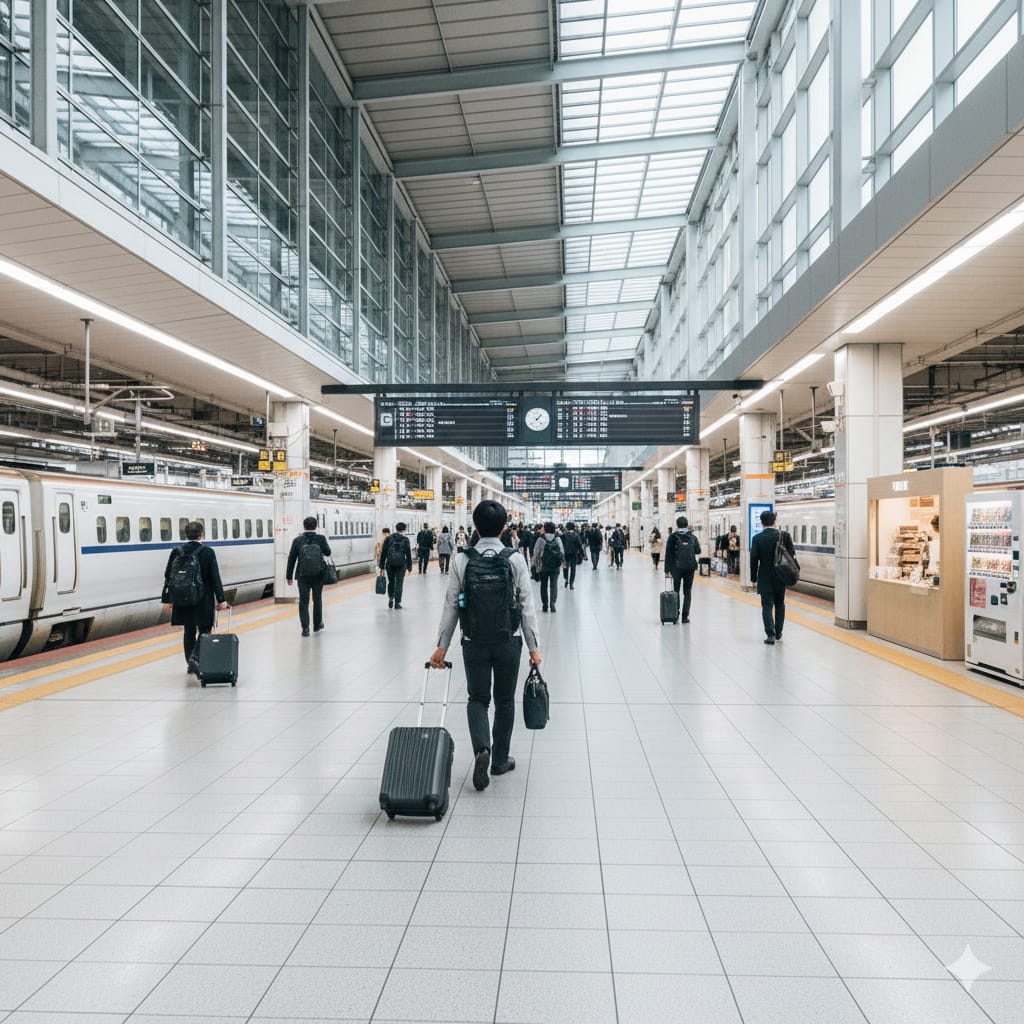
Gion No-Go Zones: Streets in Kyoto Now Off-Limits to Tourists (Fines Apply!)
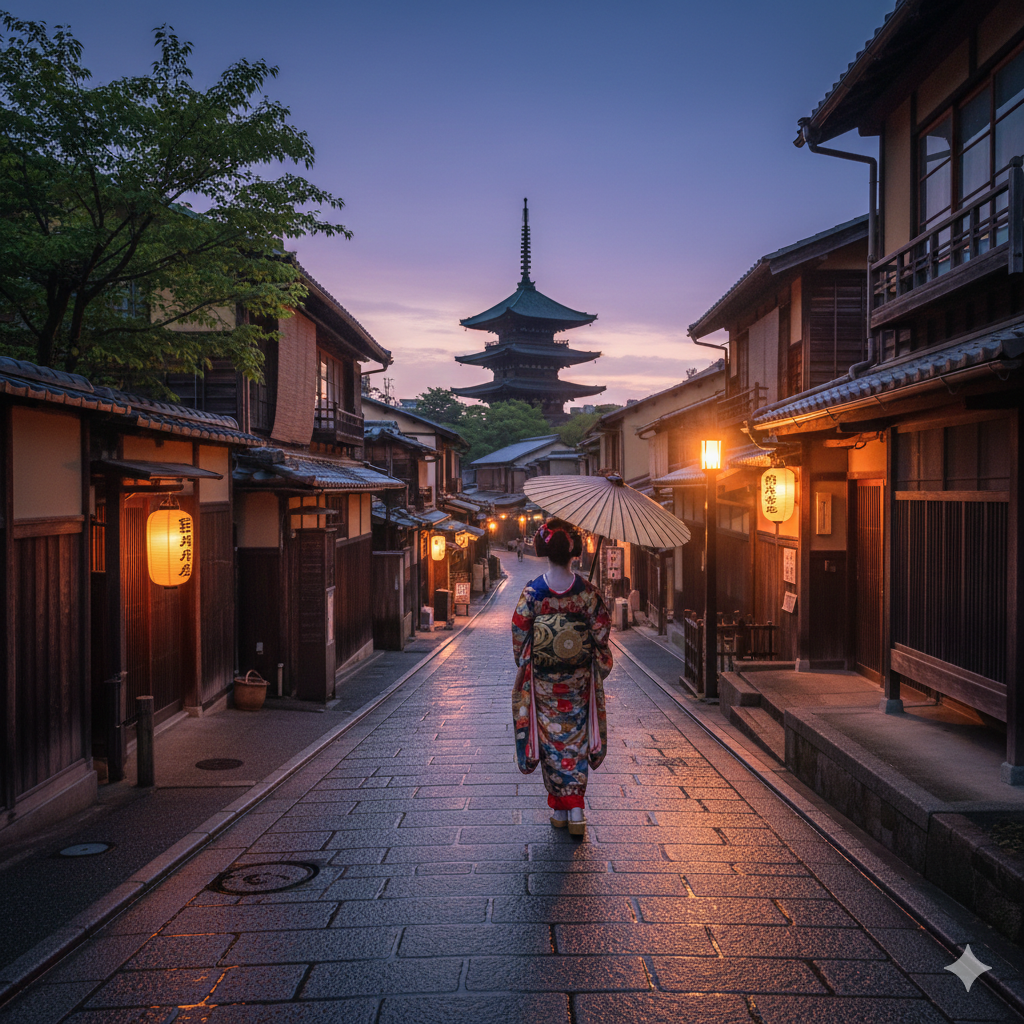
Gion, the historic district in Kyoto known for geisha and traditional architecture, has introduced new rules to reduce tourist congestion. Certain streets and alleys have been designated as no-go zones for visitors. These regulations aim to preserve the peace of local residents and protect the traditional atmosphere of Gion.
Why No-Go Zones Were Introduced
The restrictions were implemented due to the growing number of tourists, which often caused crowding, noise, and disturbances for local residents. Some visitors also ignored local etiquette, such as photographing geisha without permission or entering private areas. By establishing no-go zones, Kyoto authorities seek to balance tourism with the daily life of residents.
Streets and Areas That Are Restricted
Some narrow streets in central Gion, particularly around Hanamikoji-dori and Shirakawa-minami, now have signs restricting tourist access. Small alleys near geisha residences are also off-limits. Visitors are reminded not to enter these areas, as violations can result in fines or official warnings.
Tips for Exploring Gion Safely
Although some streets are restricted, many areas remain open to tourists, including parts of Hanamikoji Street and areas near Kiyomizu-dera. To enjoy Gion ethically, it is recommended to join guided tours, follow posted signs, and respect the privacy of local residents and the geisha community.
Alternative Photo Spots and Activities
For those wishing to take photos or explore Gion without violating rules, areas around Shirakawa Canal, Yasaka Shrine, and traditional tea shops remain accessible. Other activities, such as watching cultural performances or joining craft workshops, provide an authentic experience without entering no-go zones.
Conclusion
Gion no-go zones are Kyoto’s effort to balance tourism with local life. By following the rules, visitors can still enjoy the beauty, culture, and history of the district without disturbing the community. Knowing and respecting these restrictions ensures a safer, more comfortable, and more memorable visit.