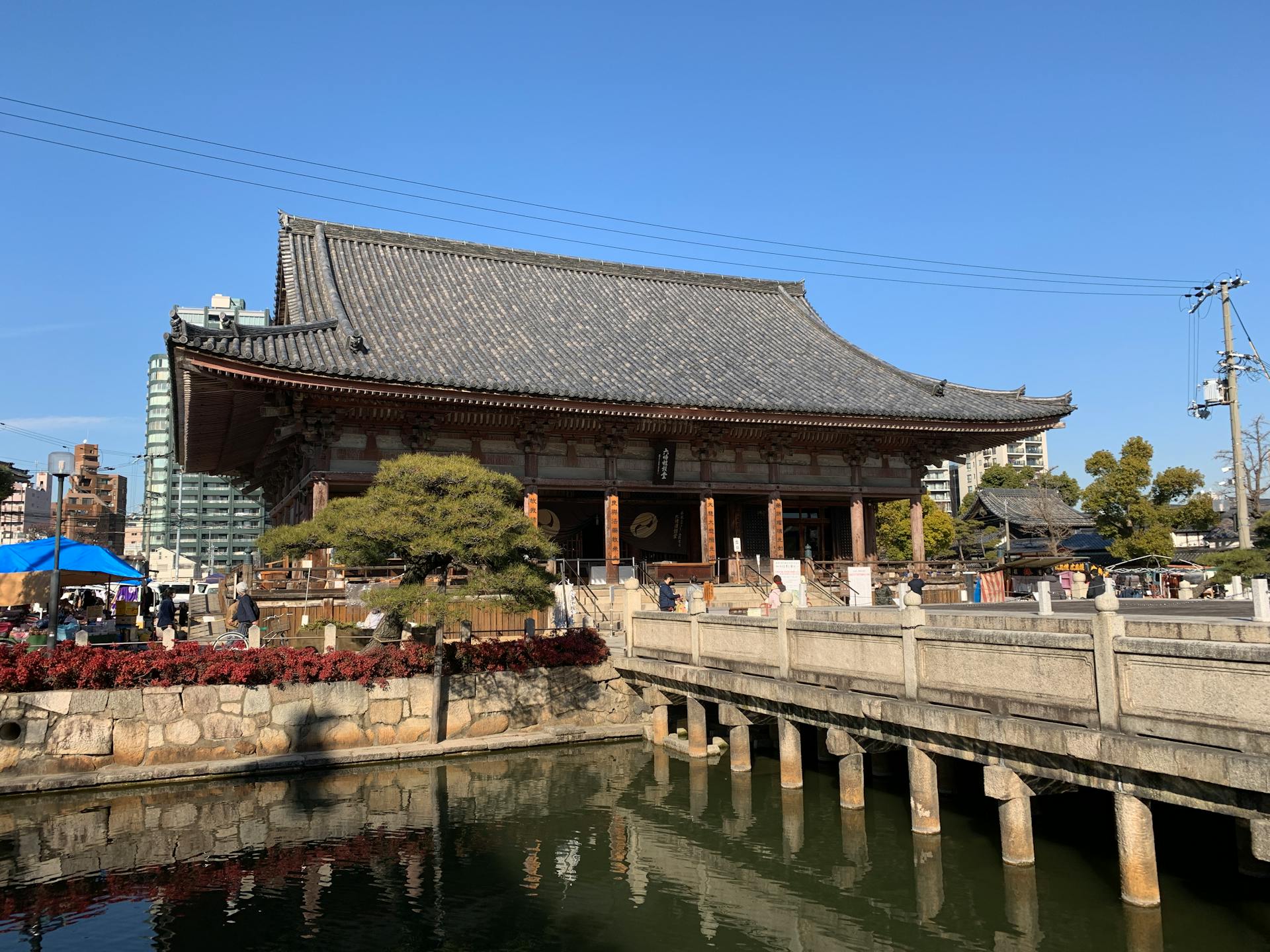
Imari Porcelain Saga Travel Guide
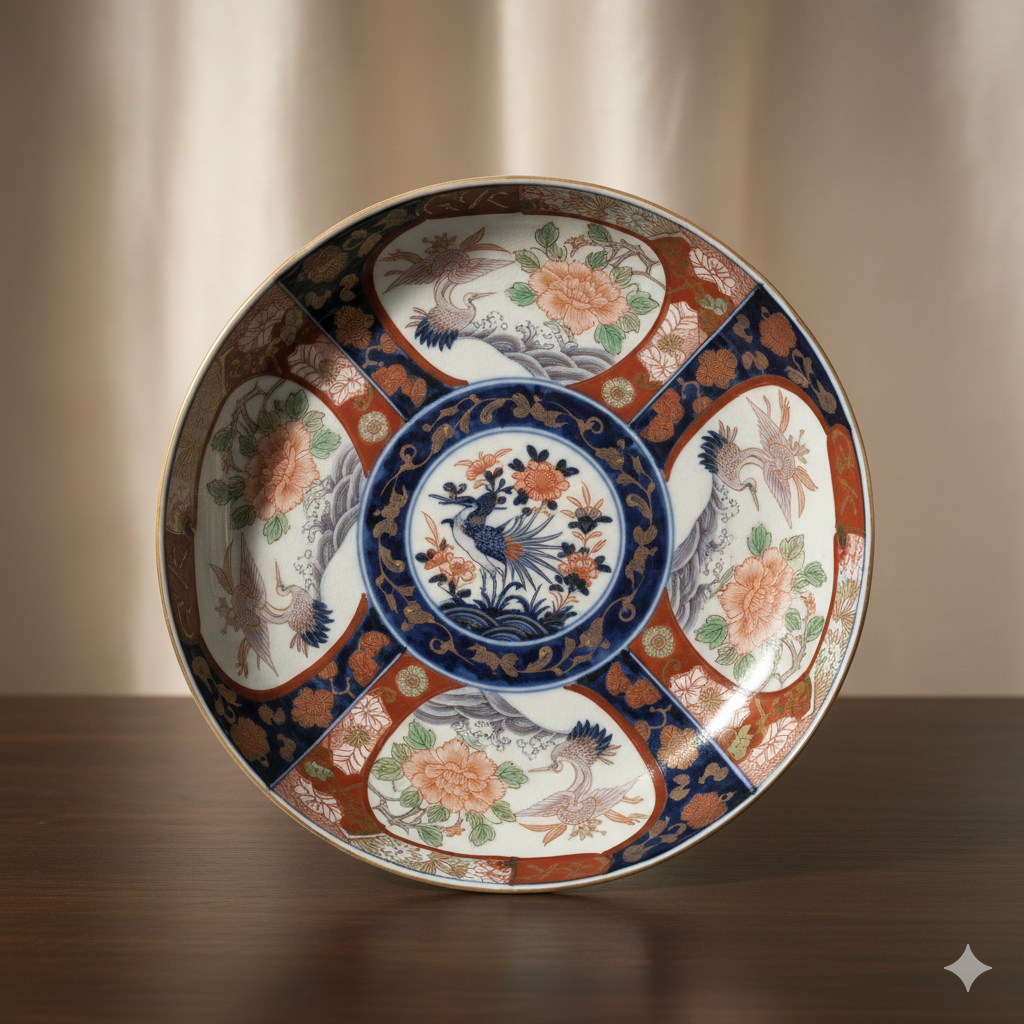
Imari, located in Saga Prefecture, is renowned worldwide for its traditional porcelain, known as Imari-yaki. With a history dating back to the early 17th century, Imari porcelain is celebrated for its vibrant colors, intricate designs, and exquisite craftsmanship. The city and surrounding towns offer visitors a chance to explore workshops, museums, and markets dedicated to this iconic Japanese art form.
History and Tradition
Imari porcelain originated in the early Edo period, when porcelain production techniques were brought from China and refined locally. The kilns in Arita and surrounding areas became famous for producing high-quality porcelain with cobalt blue underglaze, accented by red, gold, and other vivid colors. Over time, Imari ware became a major export item, influencing European porcelain styles.
Workshops and Studios
Visitors can explore active workshops where skilled artisans continue traditional techniques. Many studios offer hands-on experiences, allowing tourists to try painting or shaping their own pieces. Observing the detailed process of glazing, firing, and decorating provides insight into the precision and patience required for Imari porcelain.
Museums and Exhibitions
Imari and nearby Arita have several museums showcasing historic and contemporary porcelain works. Exhibitions often highlight both functional items, like plates and tea sets, and decorative pieces, demonstrating the range and evolution of Imari-yaki over centuries.
Shopping for Porcelain
Local shops and markets sell a variety of Imari porcelain, from everyday tableware to collectible art pieces. Visitors can purchase beautifully hand-painted plates, bowls, vases, and tea sets, making perfect souvenirs or gifts. Seasonal festivals also offer special limited-edition pieces for collectors.
Cultural Experience
Exploring Imari provides not only a shopping experience but also a cultural journey into Japan’s craftsmanship heritage. Visitors gain an appreciation for the artistry, history, and continued innovation of one of Japan’s most famous porcelain traditions.
Tips for Visiting
Wear comfortable shoes for walking between workshops and shops. Visiting during weekdays or outside peak festival times allows for a more relaxed exploration. Many workshops and museums provide English guides or descriptions, but it’s helpful to check availability in advance.
Experiencing Imari Porcelain
A visit to Imari offers a unique opportunity to witness centuries-old craftsmanship in action, learn about the historical significance of porcelain in Japan and abroad, and bring home exquisite pieces that reflect the artistry and tradition of the region.