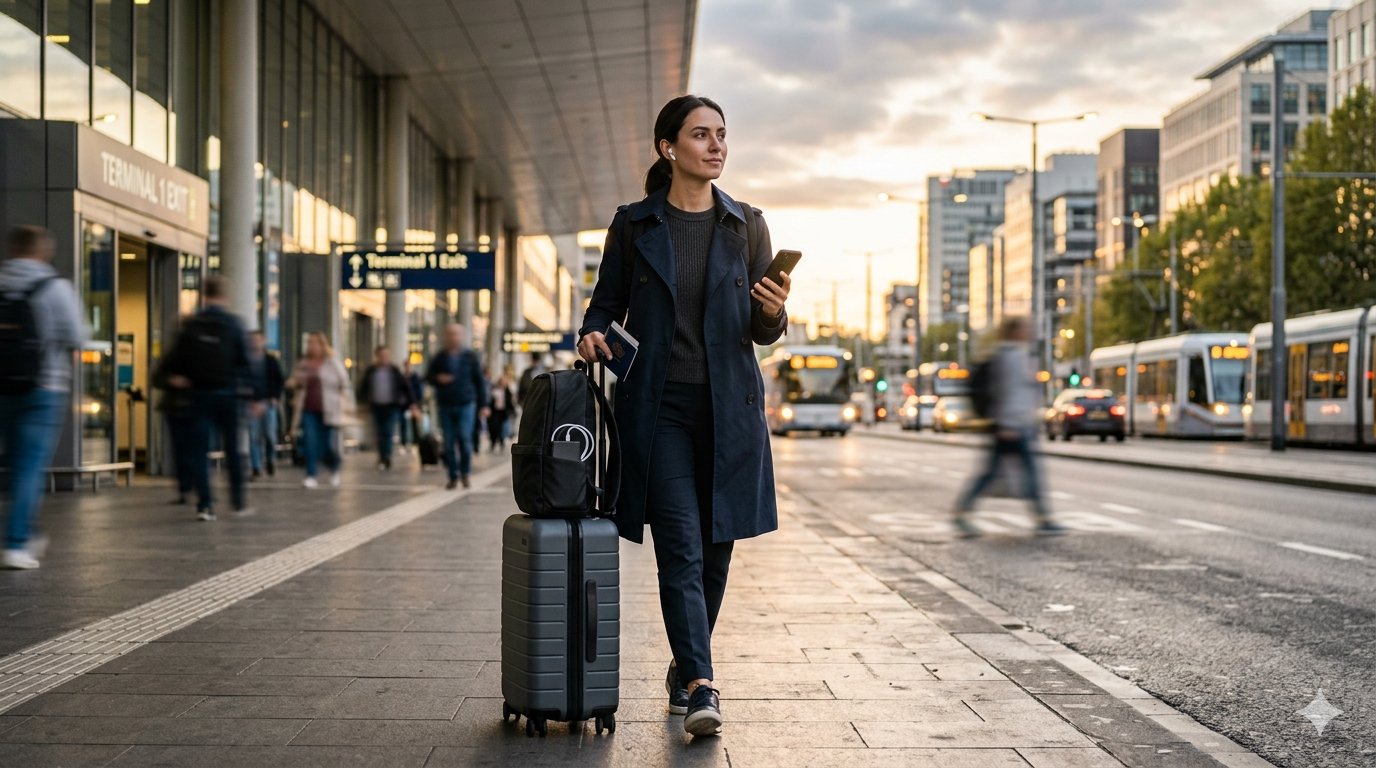
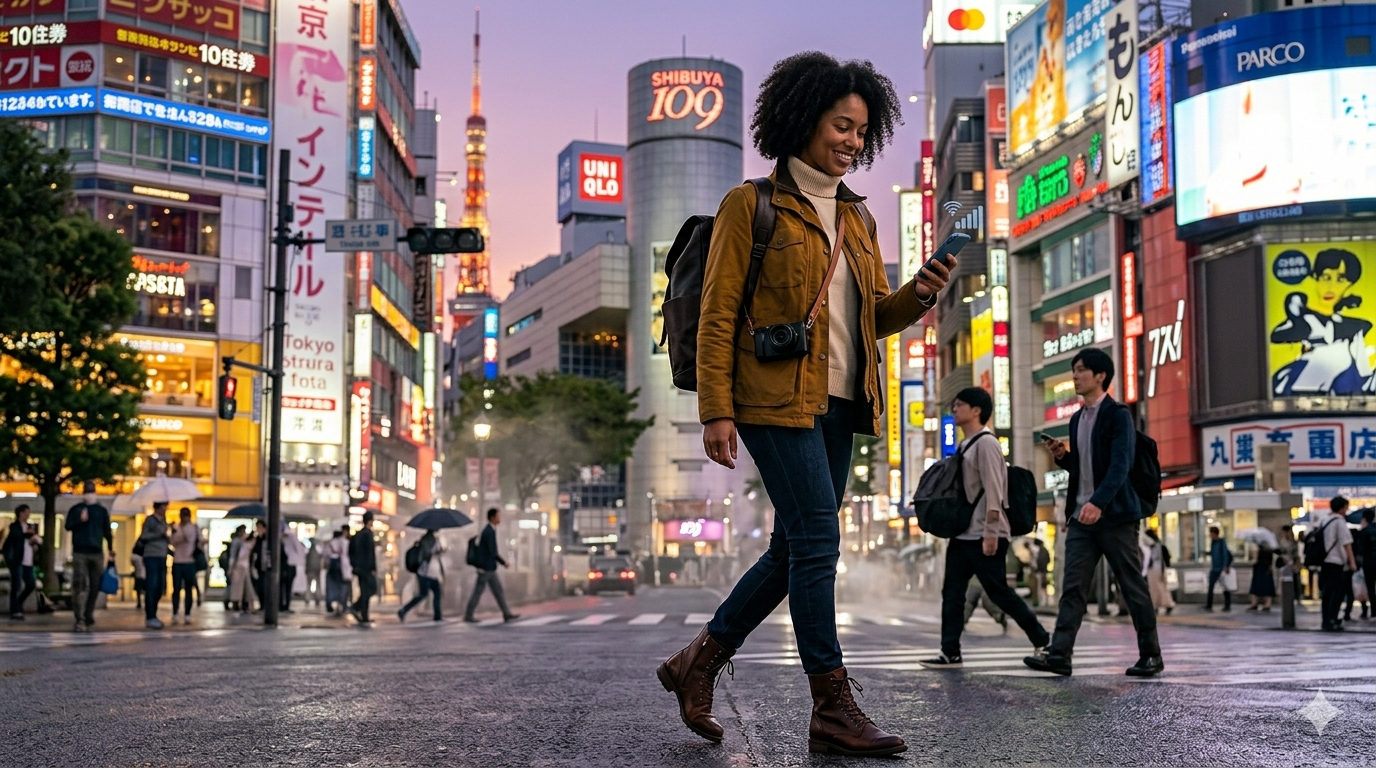
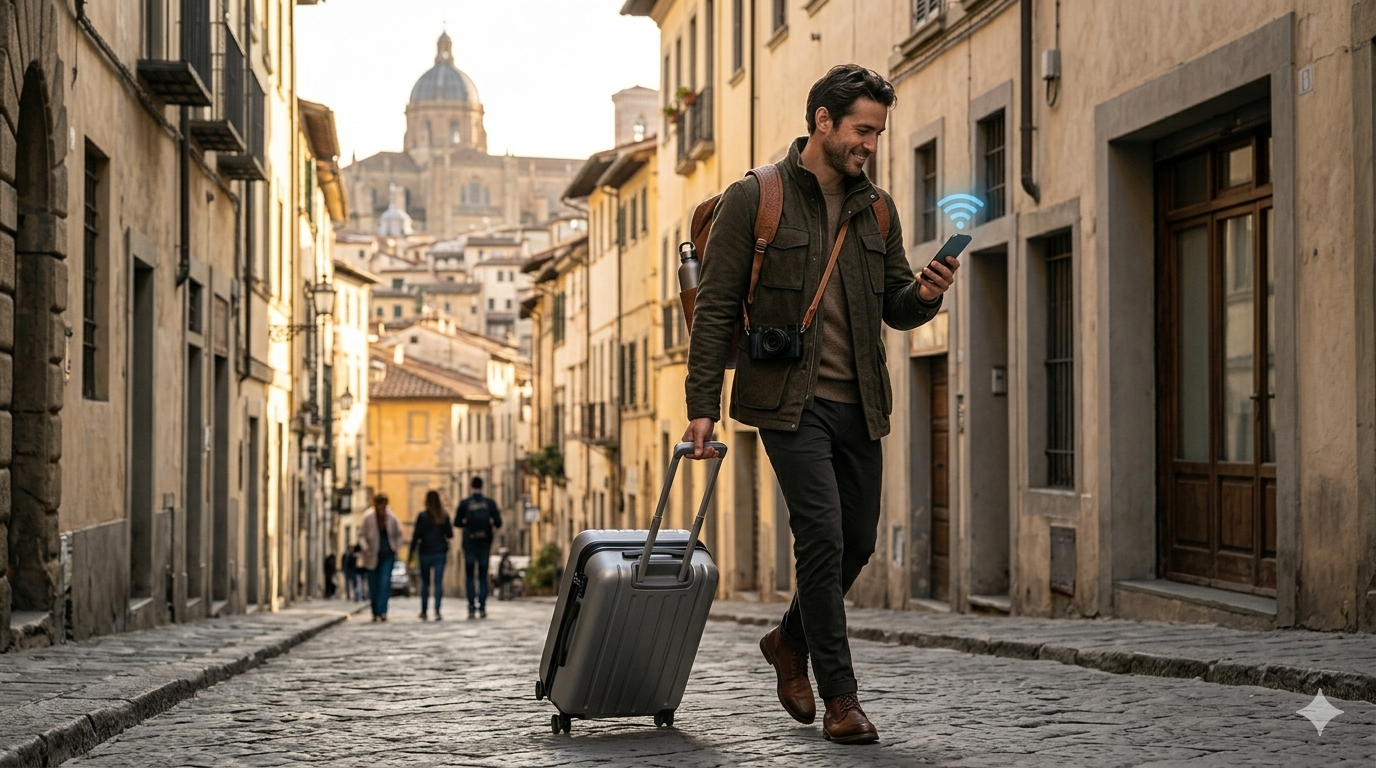
Want to travel smarter? Discover the essential travel items experienced travelers always pack to stay comfortable, organized, connected, and prepared on every trip.
Experienced
travelers know that successful trips aren't about packing more—they're about
packing smarter.
While
every traveler has personal preferences, there are certain items that
consistently earn a place in carry-on bags around the world.
Here
are the travel essentials many frequent travelers never leave behind.
1.
Passport and Backup Copies
It
sounds obvious, but experienced travelers often carry both physical and digital
copies of important documents.
These
may include:
·
Passport
·
Visa
documents
·
Travel
insurance
·
Hotel
confirmations
Having
backups can save valuable time if documents are lost.
2.
Portable Power Bank
A
dead phone can quickly become a travel problem.
Power
banks help keep essential apps available for:
·
Navigation
·
Boarding
passes
·
Ride-hailing
·
Communication
Many
travelers consider this one of their most important items.
3.
eSIM for Instant Connectivity
Reliable
internet access has become a travel necessity.
Instead
of paying expensive roaming fees or searching for local SIM cards after
arrival, many travelers activate an eSIM before departure.
Benefits
include:
·
Instant
mobile data
·
Easy
activation
·
No
physical SIM swap
·
Coverage
across multiple destinations
Being
connected immediately after landing can make travel significantly easier.
4.
Universal Travel Adapter
Power
outlets vary around the world.
A
universal adapter eliminates the need to carry multiple chargers and helps keep
devices powered wherever you travel.
5.
Reusable Water Bottle
Airport
drinks and tourist-area beverages can be surprisingly expensive.
A
reusable bottle allows travelers to refill water after security checkpoints and
stay hydrated throughout the journey.
6.
Noise-Canceling Headphones
Flights,
airports, and busy transportation hubs can be noisy environments.
Quality
headphones help travelers:
·
Relax
·
Sleep
·
Work
·
Enjoy
entertainment
during
long travel days.
7.
Packing Cubes
Packing
cubes have become a favorite tool among frequent travelers.
Advantages
include:
·
Better
organization
·
Faster
packing
·
Easier
unpacking
·
More
efficient use of luggage space
8.
Lightweight Daypack
A
small daypack is useful for daily exploration once you reach your destination.
It's
perfect for carrying:
·
Water
·
Camera
gear
·
Snacks
·
Extra
clothing
without
needing your main luggage.
9.
Portable Luggage Scale
Avoiding
overweight baggage fees is easier when you know exactly how much your luggage
weighs before arriving at the airport.
10.
Travel-Sized Toiletries
Smaller
products save space and simplify airport security screening.
Many
travelers pack only enough for the trip rather than carrying full-sized
bottles.
11.
Offline Maps
Even
with mobile data, offline maps provide a useful backup.
They
can help navigate unfamiliar destinations when internet access becomes
unreliable.
12.
Neck Pillow
Long
flights and layovers become significantly more comfortable with proper neck
support.
A
good travel pillow can make sleeping while traveling much easier.
13.
Compact First-Aid Kit
Minor
travel issues happen.
Basic
essentials may include:
·
Bandages
·
Pain
relievers
·
Motion
sickness medication
·
Personal
prescriptions
14.
Travel Wallet
Keeping
passports, cards, cash, and travel documents organized in one place reduces
stress while moving between airports and destinations.
15.
A Flexible Travel Mindset
Perhaps
the most important travel essential isn't something you pack.
Flights
get delayed.
Weather changes.
Plans evolve.
The
travelers who enjoy their trips the most are often those who adapt easily when
things don't go exactly as planned.
Final
Thoughts
Travel
gear won't guarantee a perfect trip, but the right essentials can make
traveling smoother, safer, and far more enjoyable. From staying connected with
an eSIM to keeping devices charged and luggage organized, these items help
frequent travelers navigate the world with confidence.
The
best travelers aren't necessarily the most experienced—they're simply the most
prepared.