
Bizen Pottery Village Okayama Travel Guide
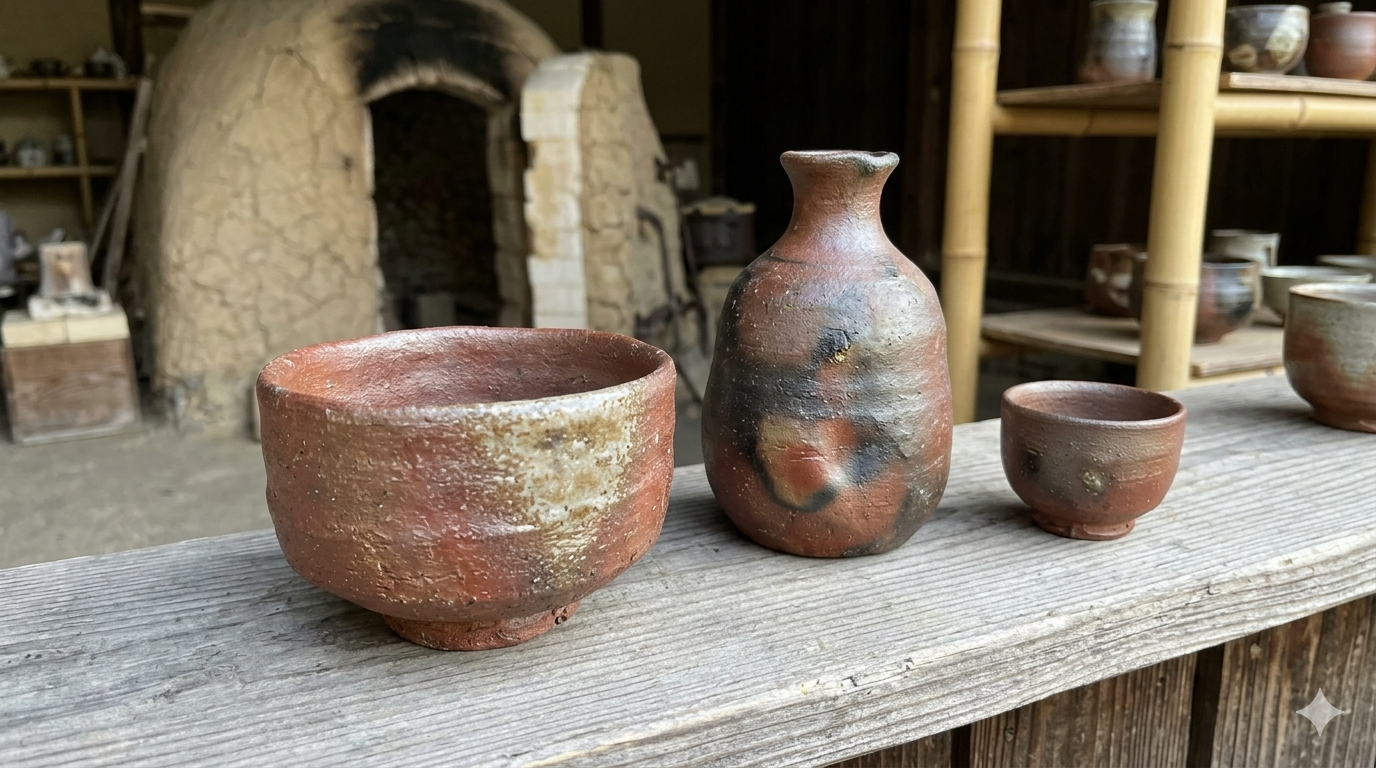
Bizen Pottery Village is a traditional area in Okayama Prefecture known as the center of Bizen pottery, one of the oldest ceramic traditions in Japan. The village is located in the city of Bizen and has been producing ceramics for more than 1,000 years. Bizen ware is known for its simple appearance, natural texture, and traditional firing technique that does not use glaze.
Unlike many types of pottery that feature bright colors or decorative patterns, Bizen ceramics highlight the natural beauty of clay and the firing process. Each piece develops unique patterns created naturally by wood ash and the intense heat inside the kiln during the firing process, which can last several days.
History of Bizen Pottery
Bizen pottery is considered one of the “Rokkoyo,” the six most famous traditional pottery centers in Japan. Ceramic production in this region began during the Heian period and grew significantly during the Momoyama period when Bizen ware became popular for use in Japanese tea ceremonies.
Because of its traditional production process and long firing time, Bizen pottery is often viewed as a work of art rather than simply everyday tableware. Many collectors and pottery enthusiasts travel to this village to see how these ceramics are made.
Exploring the Pottery Village
When visiting Bizen Pottery Village, travelers will find a peaceful town filled with pottery galleries, craft shops, and studios run by local artisans. Along the village streets, shops display a wide variety of ceramic items including tea cups, flower vases, plates, and decorative sculptures, all created using traditional Bizen techniques.
Many galleries showcase works from both established pottery masters and younger artisans who continue the tradition. Visitors can observe different styles and forms of Bizen ceramics while learning more about the craftsmanship behind each piece.
Museums and Pottery Workshops
One of the popular places to visit in the village is the Bizen pottery museum, which highlights the long history of this ceramic tradition. Inside the museum, visitors can see collections from different historical periods, including classic pieces that hold significant cultural value.
In addition to museums, some pottery studios offer workshops where visitors can try making ceramics themselves. These hands-on experiences allow travelers to shape clay and learn basic pottery techniques used by Bizen artisans.
Traditional Kilns
A key element in producing Bizen pottery is the traditional climbing kiln known as a noborigama. These large kilns are often built along hillsides and consist of several connected chambers. The firing process can last from one to two weeks and uses wood as the fuel source.
This long firing process produces natural color variations in the ceramics, ranging from reddish brown to dark gray. Because the temperature varies in different parts of the kiln, each piece develops its own unique surface pattern.
Travel Tips
Bizen Pottery Village can be easily reached by train from Okayama City, making it a convenient day trip for travelers. Many visitors come to stroll through the village, visit pottery galleries, and purchase handmade ceramics as souvenirs.
Spring and autumn are usually considered the best seasons to visit because the weather is comfortable for walking around the village. Occasionally, pottery festivals are also held in the area, allowing visitors to see an even wider selection of works from local artisans.
Conclusion
Bizen Pottery Village offers a cultural travel experience that is different from many typical tourist destinations in Japan. The village not only showcases the beauty of traditional ceramics but also demonstrates how a craft passed down for centuries continues to thrive today.
For travelers interested in art, culture, and traditional craftsmanship, visiting Bizen Pottery Village in Okayama provides a unique opportunity to experience one of Japan’s most historic ceramic traditions firsthand.