Spring Festivals in Japan Beyond Sakura That You Must Visit
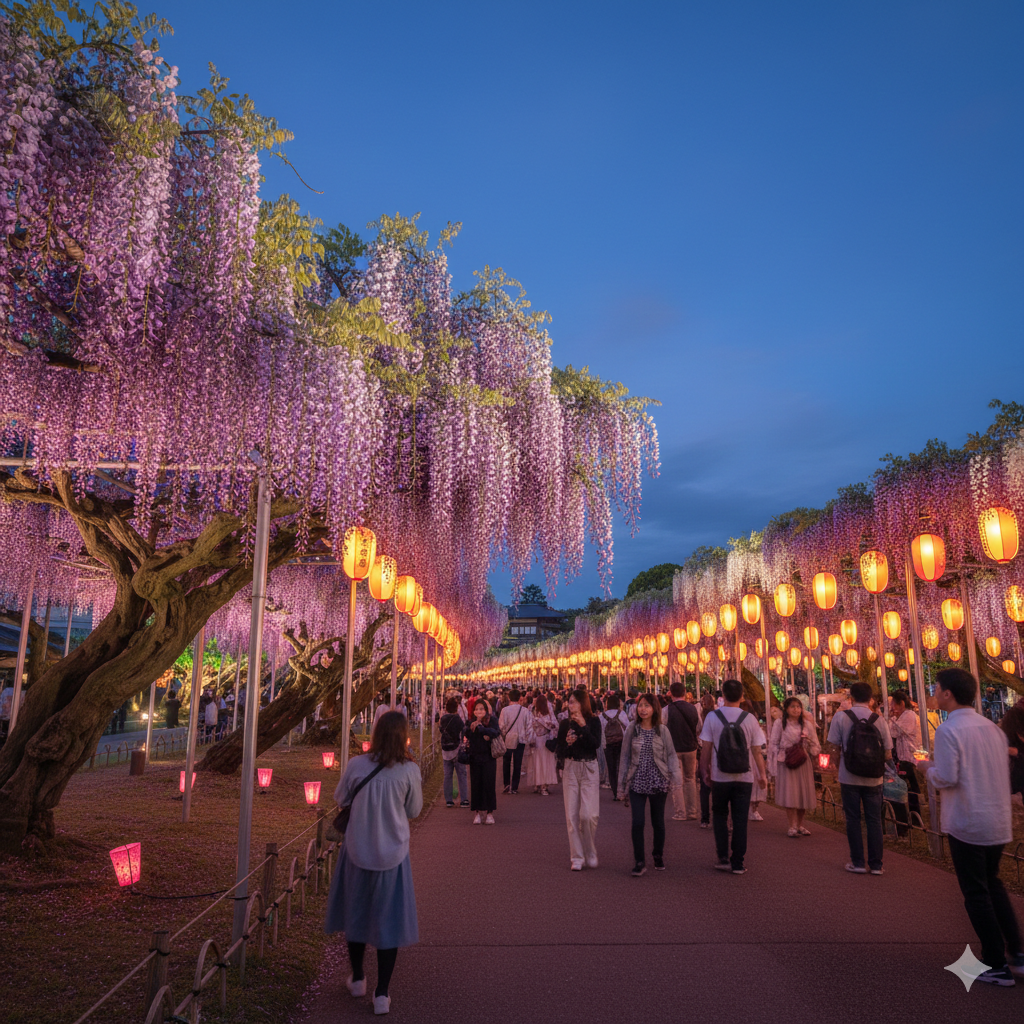
Spring in Japan is often associated with cherry blossoms, but the season offers far more than just sakura viewing. Across the country, vibrant festivals celebrate history, flowers, tradition, and community spirit. From centuries-old parades to colorful flower fields beneath Mount Fuji, spring is one of the best times to experience Japan’s cultural richness.
If you are planning a trip between March and May, consider adding these remarkable spring festivals to your itinerary for a deeper and more diverse experience.
Takayama Spring Festival
The Takayama Spring Festival, also known as Sanno Matsuri, is considered one of Japan’s most beautiful festivals. Held annually on April 14–15 in Takayama City, Gifu Prefecture, the festival is famous for its elaborately decorated wooden floats called yatai.
These floats are adorned with intricate carvings, gold details, and traditional craftsmanship. In the evening, illuminated lanterns transform the historic streets of Takayama into a magical scene. The festival offers an authentic glimpse into Japan’s cultural heritage and Edo-period atmosphere.
Fuji Shibazakura Festival
For flower lovers seeking something beyond cherry blossoms, the Fuji Shibazakura Festival is a stunning alternative. Usually held from mid-April to late May near Lake Kawaguchi, the festival features vast fields of pink, purple, and white moss phlox.
Set against the iconic backdrop of Mount Fuji, the vibrant carpet of flowers creates one of the most photogenic spring landscapes in Japan. It is a perfect destination for nature enthusiasts and photographers alike.
Kanda Matsuri
In Tokyo, the Kanda Matsuri stands out as one of the city’s largest and most historic festivals. Held in mid-May at Kanda Myojin Shrine, it dates back over 400 years and is considered one of Tokyo’s three great festivals.
Participants dressed in traditional attire carry mikoshi, or portable shrines, through the bustling streets. The contrast between modern skyscrapers and ancient rituals highlights the unique blend of tradition and modernity that defines Tokyo.
Aoi Matsuri
If you wish to witness a festival that feels like stepping back in time, the Aoi Matsuri in Kyoto is an exceptional choice. Held annually on May 15, this elegant procession features more than 500 participants dressed in elaborate Heian-period costumes.
The parade travels from the Kyoto Imperial Palace to the Shimogamo and Kamigamo Shrines. With its refined atmosphere and historical significance, Aoi Matsuri offers one of Japan’s most graceful and culturally immersive spring experiences.
Hamamatsu Festival
The Hamamatsu Festival, held in early May, is famous for its giant kite battles. Large kites are flown along the coast as part of a tradition celebrating the birth of children in local families.
At night, the city comes alive with illuminated floats and energetic taiko drum performances. The lively and festive atmosphere provides a dynamic contrast to the calm elegance often associated with cherry blossom viewing.
Final Thoughts
Spring in Japan offers far more than sakura season. From the historical elegance of Takayama and Aoi Matsuri to the colorful landscapes of Fuji Shibazakura and the vibrant celebrations of Hamamatsu, each region showcases its own unique way of welcoming the new season.
Including one or more of these festivals in your travel plans will enrich your journey and allow you to experience Japan’s springtime traditions in a deeper and more memorable way.