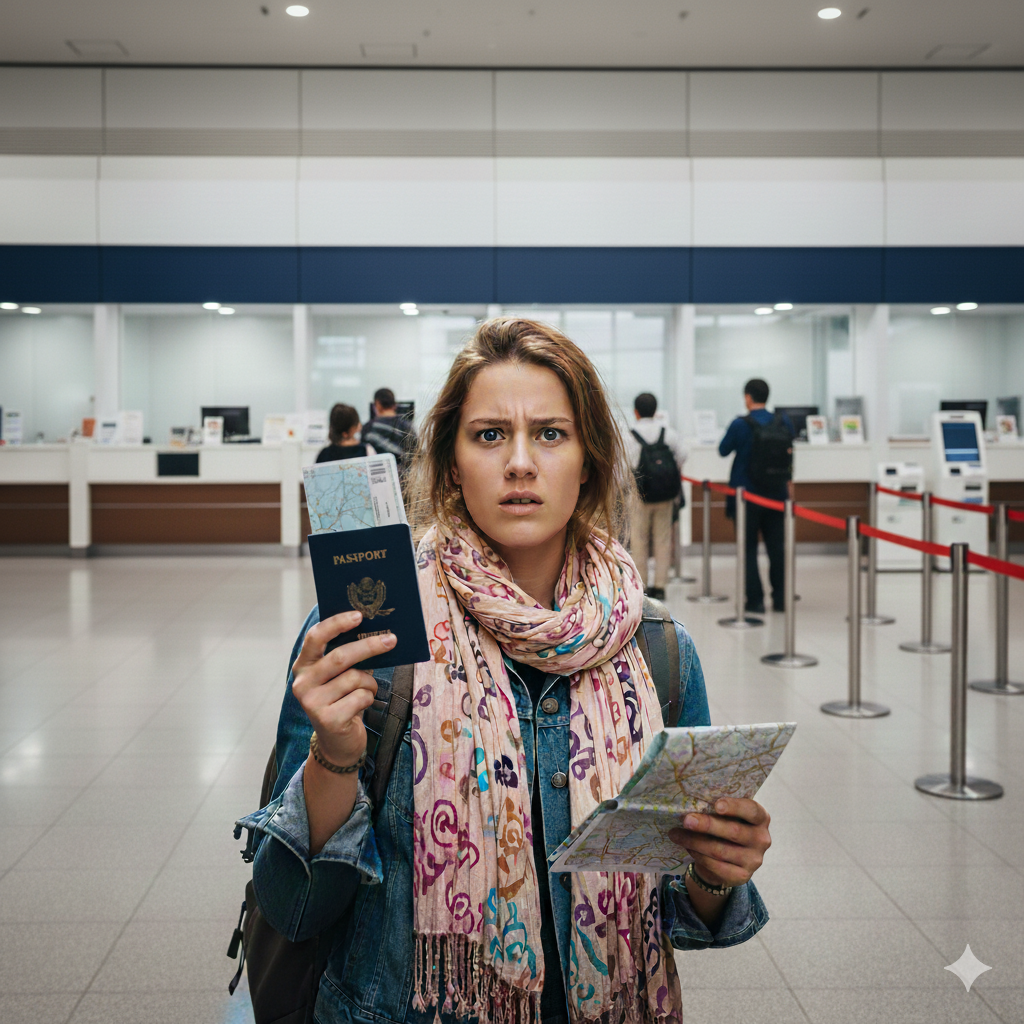
New “One Ticket for All” Policy in Japan
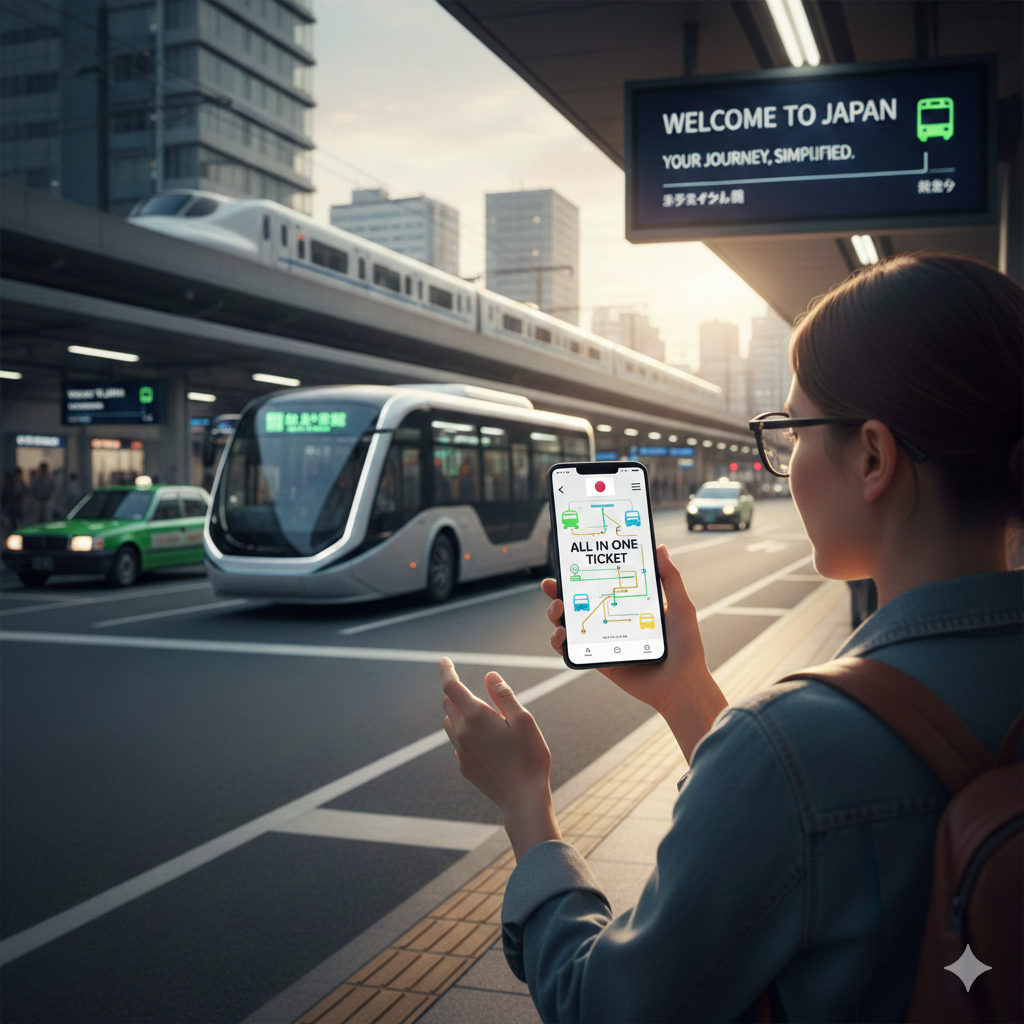
Japan continues to innovate in public transportation by introducing the “One Ticket for All” concept through Mobility as a Service (MaaS) applications. This new policy allows users to access multiple modes of transport, including buses, trains, and taxis, using a single app and a unified payment system. The goal is to make cross-city and multi-modal travel simpler, more efficient, and more user-friendly for both tourists and local residents.
What Is Mobility as a Service (MaaS)
Mobility as a Service, or MaaS, is a digital platform that integrates various transportation services into one application. In Japan, MaaS connects JR and non-JR trains, city and intercity buses, subways, and taxi services. Users can plan routes, purchase tickets, make payments, and check schedules in real time without switching between different apps or buying separate tickets.
How the “One Ticket for All” Concept Works
Under this new policy, a single digital ticket can be used across multiple transportation modes within one journey. For example, a traveler can take a bus to a station, continue by train, and finish the trip by taxi, all recorded as one seamless transaction. The ticket is typically provided as a QR code or linked directly to the user’s MaaS account.
How to Use Integrated Transportation Apps in Japan
The first step is to download a MaaS app available in Japan, such as Japan MaaS, Ringo Pass, or regional apps developed in partnership with local transport operators. After registering, users simply enter their departure point and destination, and the app automatically suggests the most efficient route, including the best combination of transport modes. Once the route is selected, the ticket can be purchased and stored digitally within the app.
Payments and Digital Ticketing System
Most MaaS apps support international credit cards, digital wallets, and in some cases are linked to IC cards such as Suica or PASMO. All travel costs are consolidated into a single payment, eliminating the need to calculate fares for each mode of transport. This system also reduces queues and physical contact, as the entire process is cashless and fully digital.
Benefits for Tourists and Local Residents
For tourists, this system removes the confusion of buying tickets from different machines in Japanese. Information is usually available in English and several other languages. For local residents, MaaS offers time efficiency, cost transparency, and flexibility in choosing daily travel routes, especially in large cities with complex transportation networks.
Coverage Areas and Transport Modes
The “One Ticket for All” policy is not limited to major cities such as Tokyo, Osaka, and Kyoto, but is gradually expanding to regional areas. Local trains, rural buses, and taxis in tourist destinations are increasingly being integrated into MaaS platforms. The Japanese government aims to achieve nationwide coverage to improve interregional mobility.
The Future of Integrated Transportation in Japan
With the wider adoption of MaaS, Japan is moving toward a smarter and more sustainable transportation ecosystem. In the future, these platforms are expected to integrate additional services such as bike sharing, car sharing, and even attraction tickets. The “One Ticket for All” concept serves as a key foundation in Japan’s transformation toward modern, seamless mobility.