Kyoto Traditional Architecture Walking Tour Guide
Kyoto is widely regarded as the cultural heart of Japan, famous for preserving centuries-old traditions, temples, shrines, and wooden townhouses. Unlike modern cities dominated by skyscrapers, Kyoto offers visitors a rare opportunity to experience traditional Japanese architecture still standing in its original urban setting.
A walking tour is one of the best ways to explore Kyoto’s architectural heritage. Many historic districts are compact and pedestrian-friendly, allowing travelers to slowly appreciate intricate wooden details, tiled roofs, stone pathways, and carefully designed gardens.
Exploring Gion and Higashiyama
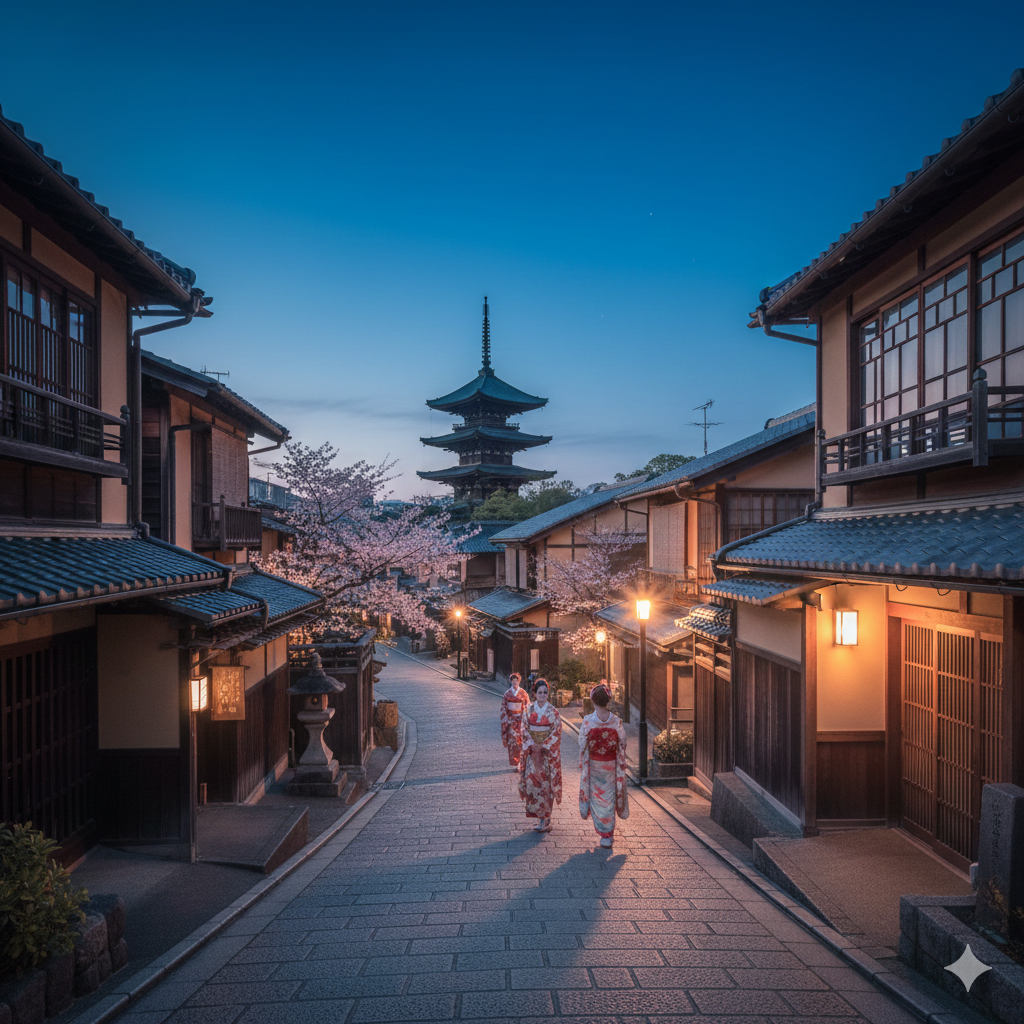
One of the most iconic areas for a traditional architecture walk is Gion. This historic geisha district features preserved wooden machiya townhouses with lattice windows and narrow facades. Walking through Hanamikoji Street in the early morning or late afternoon offers a glimpse into Kyoto’s elegant past.
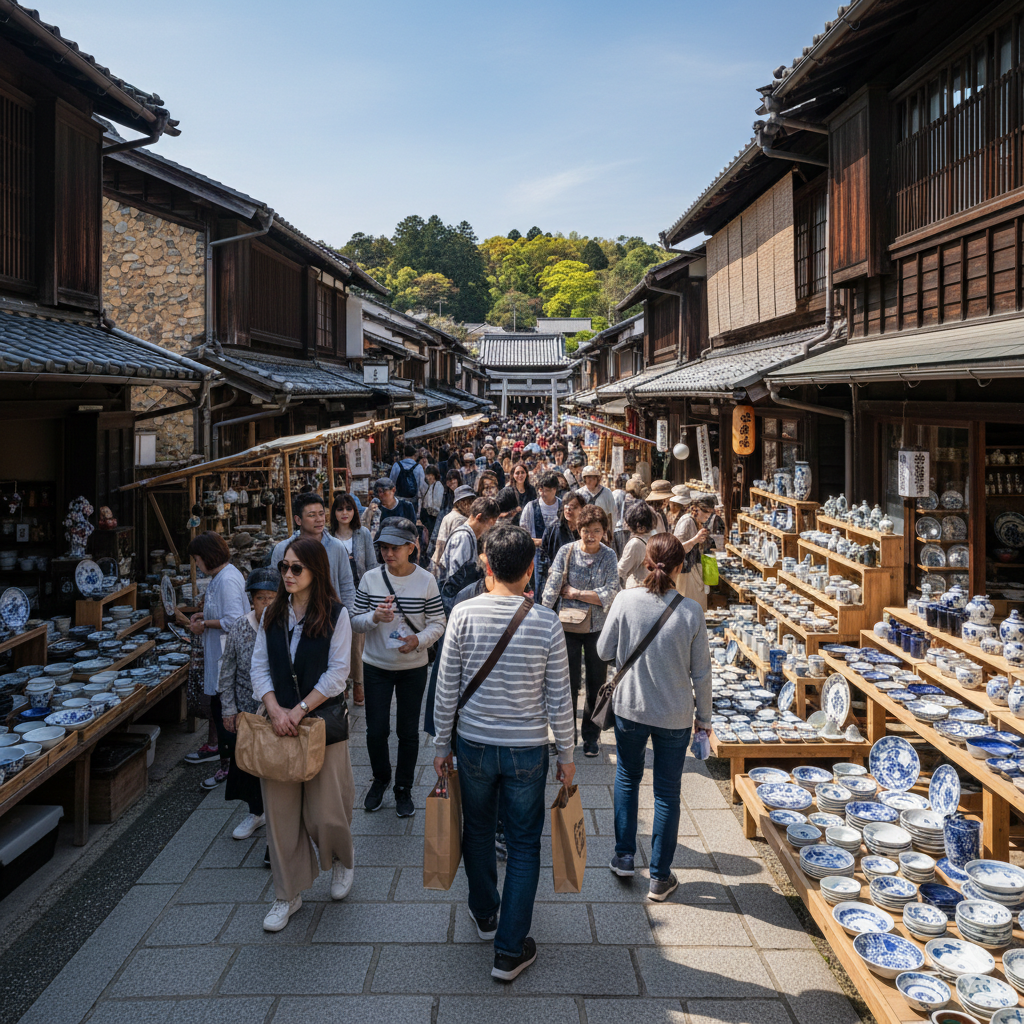
Nearby, the Higashiyama district provides another immersive experience. The stone-paved streets leading to Kiyomizu-dera are lined with traditional wooden shops and tea houses. The temple itself, famous for its large wooden stage built without nails, is a masterpiece of classical Japanese temple architecture.
Historic Temples and Zen Simplicity
Kyoto is home to numerous temples that showcase different architectural styles from various historical periods. Kinkaku-ji, also known as the Golden Pavilion, is covered in gold leaf and reflects beautifully on the surrounding pond, demonstrating the luxurious side of Muromachi-period design.
In contrast, Ryoan-ji represents the minimalist aesthetic of Zen Buddhism. Its famous rock garden emphasizes simplicity, balance, and negative space, highlighting how Japanese architecture often harmonizes built structures with nature.
Traditional Machiya Townhouses
Machiya are traditional wooden townhouses that once served as both residences and shops for merchants. Characterized by narrow street fronts and deep interiors, these buildings were designed to maximize limited urban space while allowing natural light and ventilation.
Today, many machiya have been preserved or renovated into cafés, boutiques, and guesthouses. Joining a guided walking tour can help visitors understand architectural features such as wooden latticework, inner courtyards, and sliding paper doors that define these historic homes.
Arashiyama and Scenic Architecture
For those who want to combine architecture with natural scenery, the Arashiyama district offers a peaceful walking route. The area is known for traditional bridges, temple gates, and scenic landscapes. Tenryu-ji, a UNESCO World Heritage Site, features classic Zen architecture and a landscaped garden designed to blend seamlessly with the surrounding mountains.
Walking through Arashiyama allows visitors to appreciate how Kyoto’s architecture is carefully integrated with its environment, creating a sense of harmony between human design and natural beauty.
Tips for a Kyoto Architecture Walking Tour
Comfortable walking shoes are essential, as many historic districts have stone or uneven pathways. Early mornings are ideal for photography and a quieter atmosphere, especially in popular areas like Gion and Higashiyama.
Consider hiring a local guide or joining a small group walking tour to gain deeper insights into architectural history and cultural symbolism. Even without a guide, taking your time to observe rooflines, wooden carvings, and garden layouts can greatly enrich your experience.
Conclusion
A traditional architecture walking tour in Kyoto offers more than sightseeing. It provides a journey through Japan’s history, craftsmanship, and aesthetic philosophy. From grand temples to humble machiya townhouses, each structure tells a story about the city’s enduring cultural identity.
By exploring Kyoto on foot, visitors can truly appreciate the fine details and timeless beauty that make the city one of the world’s most remarkable architectural destinations.