The Real Cost of Train Travel During Japan’s Peak Holiday Season
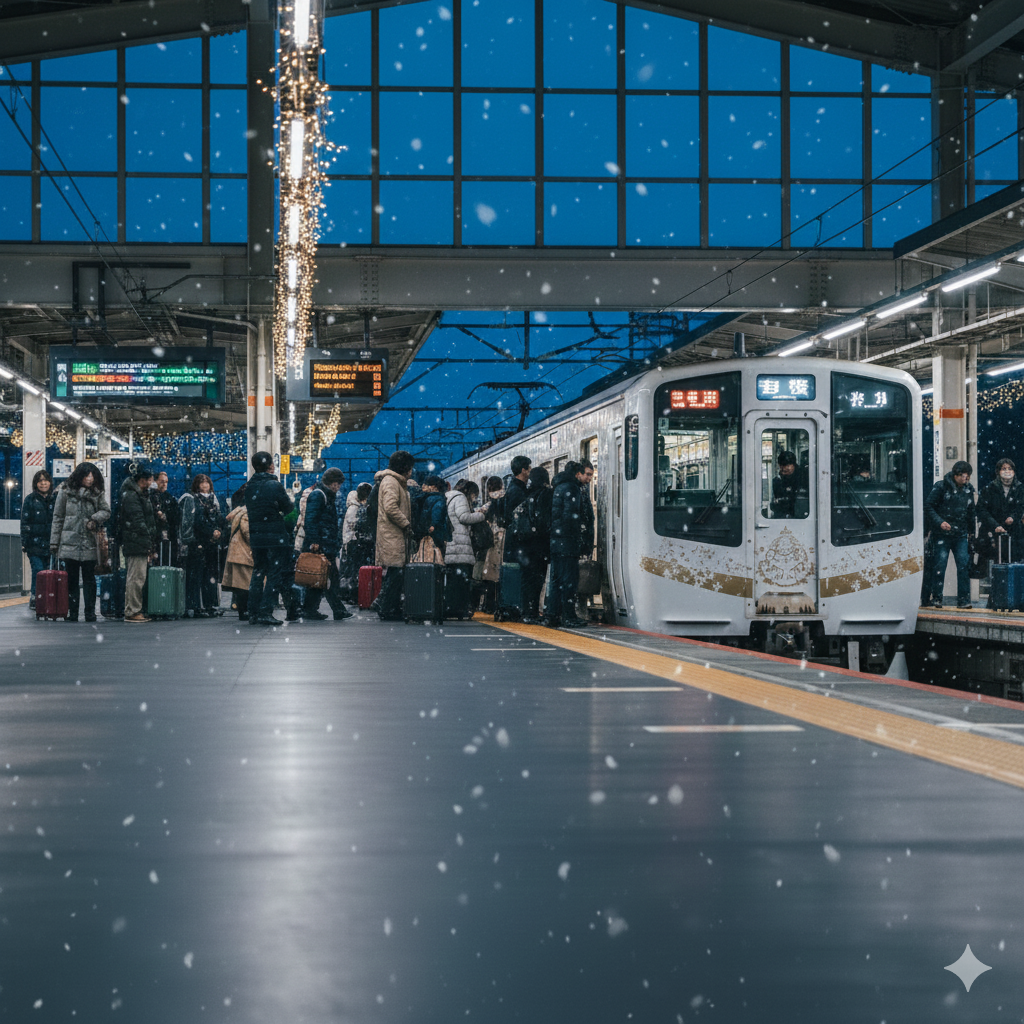
Japan’s trains are famous for their efficiency, punctuality, and comfort, making them one of the most popular ways to travel across the country. However, during peak holiday seasons—such as Golden Week, New Year, and Obon—the cost and complexity of train travel can increase significantly. Understanding the real cost of traveling by rail during these times is essential for planning both your budget and itinerary.
Higher Ticket Prices
During peak holiday periods, many trains implement dynamic pricing or raise fares for reserved seats due to high demand. Shinkansen (bullet trains) tickets can cost considerably more, especially for popular routes connecting major cities like Tokyo, Kyoto, and Osaka. Travelers who are not prepared may find themselves paying double or even triple the usual fare for last-minute reservations.
Reservation Challenges
Securing a train seat during peak seasons can be surprisingly difficult. Even if you’re willing to pay the higher price, most reserved seats are booked months in advance. For long-distance travel, this often means adjusting travel dates or routes, or standing in line for hours at ticket counters. Some travelers may opt for non-reserved cars, but these can be extremely crowded, making long journeys uncomfortable.
Additional Costs
Peak season travel often comes with hidden costs beyond the ticket price. Luggage fees, temporary accommodation near stations due to earlier departures, and meals purchased at stations or on board can quickly add up. For families or groups, these costs multiply, making what seems like a reasonable train fare much more expensive in reality.
The Opportunity Cost
Time is another form of cost. During holidays, delays, overcrowding, and extended boarding times can make travel more exhausting than usual. Some travelers end up spending hours waiting for trains, which could have been spent sightseeing or enjoying local experiences. Planning alternative routes or traveling during off-peak hours can help mitigate these costs.
Tips to Save
Book Early: Secure Shinkansen and limited express tickets as far in advance as possible.
Consider Rail Passes: Japan Rail Passes can offer significant savings, but check if they cover the trains and routes you plan to take.
Travel Off-Peak: Early morning or late evening trains are often less crowded and sometimes cheaper.
Flexible Itineraries: Adjusting your travel dates by a day or two can make a huge difference in price and comfort.
Conclusion
Train travel in Japan during peak holiday seasons is more than just paying for a ticket—it involves higher fares, reservation challenges, hidden costs, and time considerations. By understanding these factors and planning strategically, travelers can navigate Japan’s rail system more efficiently and enjoy a smoother, more comfortable journey even during the busiest times of the year.