
Winter Foods in Japan That Tourists Rarely Try
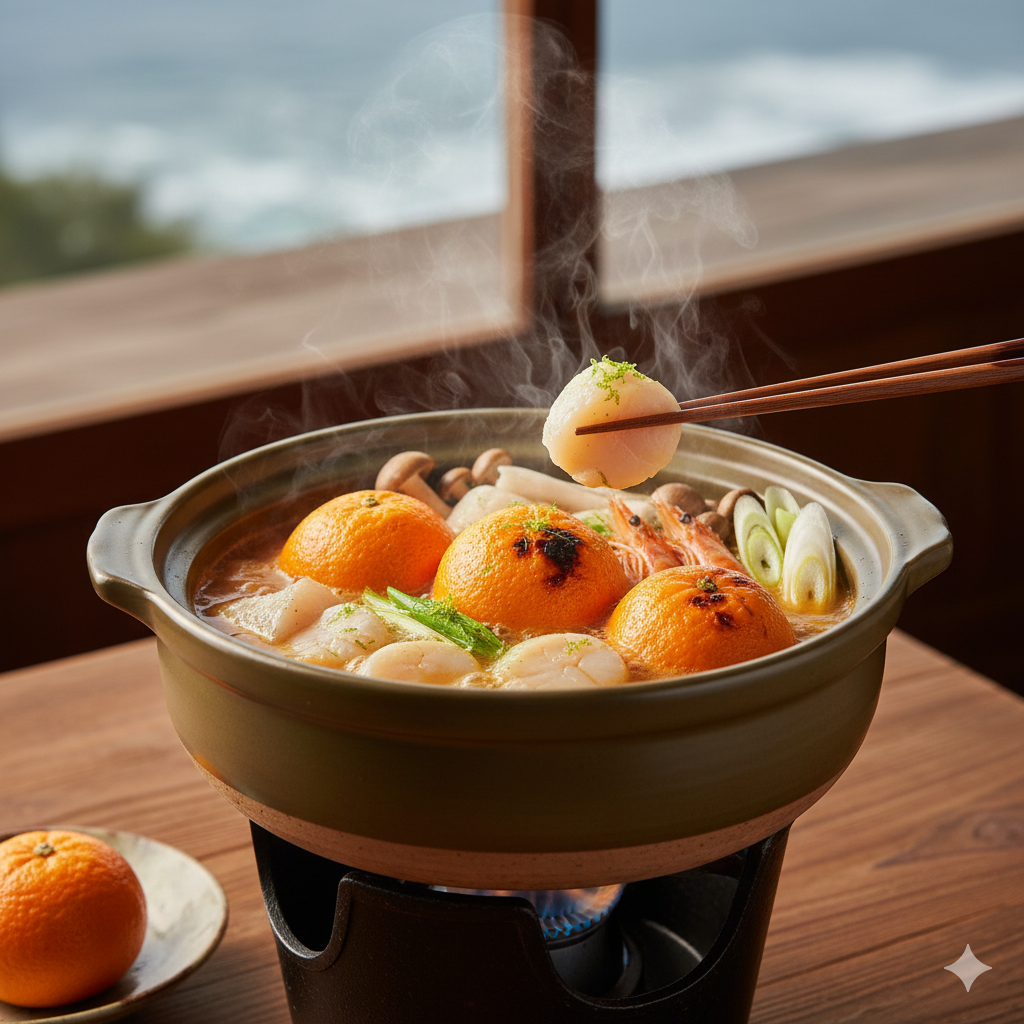
Japan in winter is famous for its snow-covered landscapes, festive illuminations, and seasonal treats. While many tourists flock to familiar favorites like ramen, sushi, and tempura, there’s a whole world of unique winter foods that often go unnoticed. For travelers looking to explore authentic Japanese flavors during the colder months, these dishes offer a delightful culinary adventure.
Kaki (Oysters)
Winter is oyster season in Japan, and the fresh, briny flavor of locally harvested oysters is a seasonal treat. They are often served raw with a squeeze of lemon, grilled over charcoal, or simmered in a light broth. While popular among locals, many tourists overlook them in favor of more familiar seafood.
Zoni (New Year’s Soup)
Zoni is a traditional soup eaten during the New Year, featuring mochi (rice cakes), vegetables, and sometimes chicken or fish. The recipe varies by region, with subtle differences in broth and ingredients. Its warming flavor makes it a comforting dish during the cold months, but it’s rarely found outside of Japan or in typical tourist menus.
Fugu (Pufferfish Hot Pot)
While fugu is known worldwide, the hot pot version, called fugu-chiri, is often missed by visitors. Thin slices of pufferfish are simmered with vegetables in a delicate kombu (seaweed) broth. Eating fugu requires caution and skill from chefs, but it’s a delicacy that locals savor during the winter season.
Mikan Hot Pot
A truly unique winter dish that surprises many tourists is mikan hot pot. Mikan, a small Japanese citrus similar to a mandarin orange, is added to a traditional hot pot (nabe) with meat, vegetables, and tofu. The sweet, citrusy aroma infuses the broth, giving the dish a refreshing yet comforting flavor perfect for cold winter nights. It’s a seasonal specialty rarely seen in typical travel guides.
Kiritanpo
Originating from Akita Prefecture, kiritanpo is made by mashing cooked rice, shaping it into cylinders, and grilling them before adding to a hot pot with chicken and vegetables. The texture is chewy and hearty, perfect for warming up during harsh winters, yet many tourists never encounter it outside northern Japan.
Hokke (Grilled Atka Mackerel)
Hokke is a fatty, flavorful fish often grilled and served with daikon radish and rice. It’s a winter staple in many households and izakayas, but tourists often overlook it in favor of more internationally known seafood dishes.
Conclusion
Japan’s winter cuisine offers far more than ramen and sushi. From fresh oysters to regional specialties like kiritanpo, and unique dishes like mikan hot pot, there are countless flavors waiting to be discovered. For adventurous travelers, exploring these lesser-known winter foods provides a richer and more authentic taste of Japanese culture.