Matsuri: The Spirit of Community in Every Japanese Festival
If you’ve ever walked through the streets of a Japanese city in summer, you might hear the resonant beat of taiko drums, smell the tempting aroma of grilled foods from small stalls, and see the joyful laughter of people wearing colorful yukata.
This atmosphere is no coincidence. It signals that a matsuri, or traditional Japanese festival, is taking place.
Every region in Japan has its own matsuri, each with unique stories, rituals, and character. Some are held to thank the gods for the harvest, some celebrate the blooming of flowers, and some simply aim to strengthen community bonds. Yet behind the glow of lanterns, costume parades, and mesmerizing traditional dances, one thing always stands out at every matsuri: the spirit of community. Here lies the true beauty of matsuri—not just the festival itself, but the way people come together to create shared happiness.
Literally, matsuri means “festival” or “celebration,” but its meaning goes deeper than a simple public event. The word derives from matsuru, meaning “to worship” or “to honor.” Originally, these festivals were part of Shinto rituals, honoring kami (gods or spirits) to bless villages and harvests. Over time, matsuri evolved into broader cultural celebrations, blending religion, entertainment, and social interaction. Even amid modernization, Japanese communities continue to preserve this tradition wholeheartedly. Every matsuri reflects community spirit, where everyone—from children to grandparents—has a role. Some carry mikoshi (portable shrines) through the streets, others arrange lanterns and stages, and some prepare seasonal treats like takoyaki, yakisoba, or kakigori for visitors. All is done collectively, with villagers shouting “wasshoi!” while lifting the mikoshi—a symbolic expression that working together creates tangible joy.
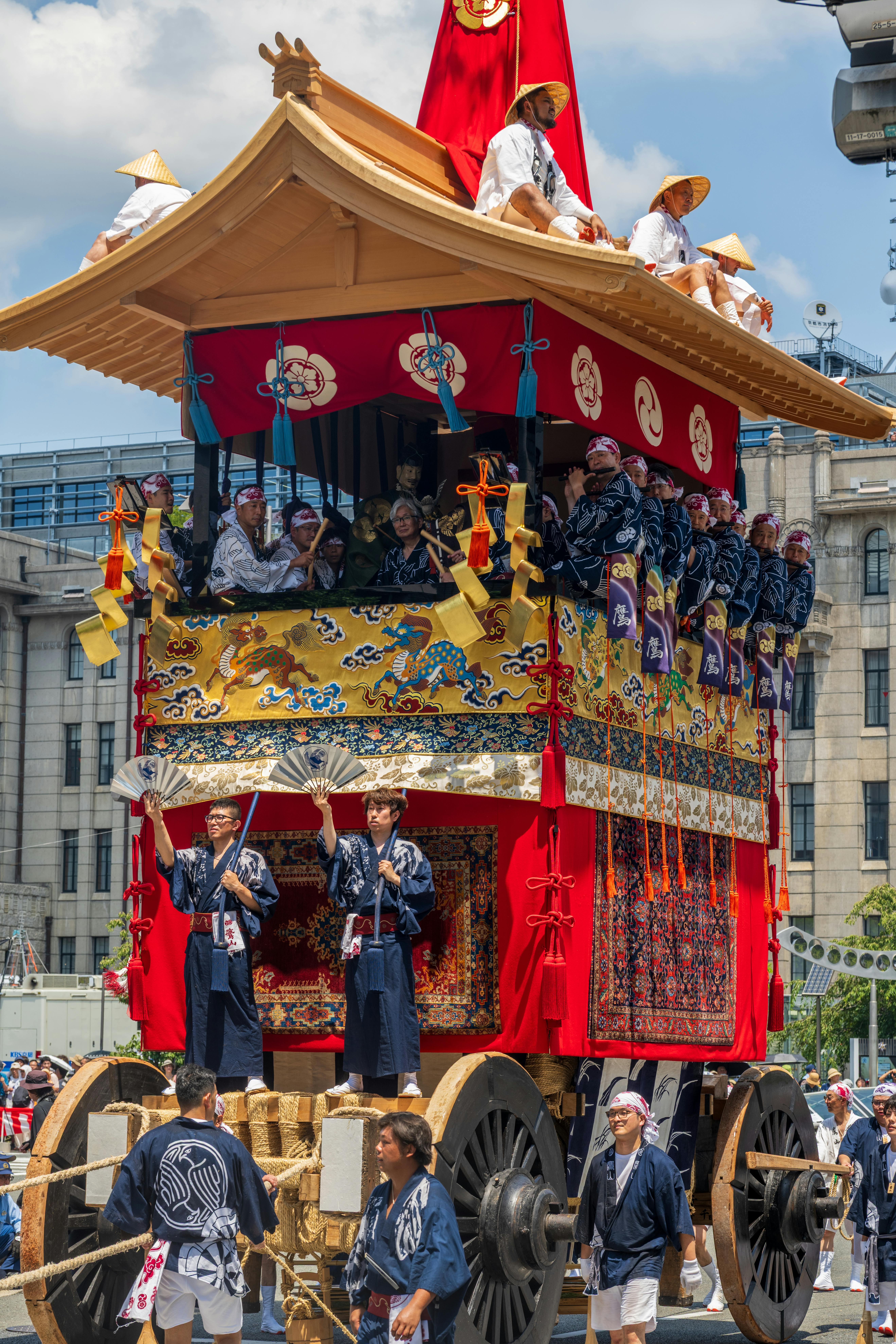
The Gion Matsuri in Kyoto is one of Japan’s oldest and most famous festivals. Dating back to the 9th century, it was originally held to pray for protection from epidemics. Today, it is a month-long celebration combining traditional beauty and collective community effort. Locals spend days decorating yamaboko, massive floats three stories tall, adorned with silk, wooden ornaments, and gold embellishments. Each float is paraded through Kyoto by dozens of people working in perfect harmony. No paid professionals, no hierarchy—everyone participates voluntarily to preserve ancestral heritage, similar to communal traditions found in other cultures.
Similar examples can be seen in Awa Odori in Tokushima, where thousands of dancers share wide smiles, or Nebuta Matsuri in Aomori, with giant lantern floats shaped like warriors and mythical creatures, paraded to music and cheers. These festivals are not just spectacles; they are living proof of how community spirit manifests as vibrant beauty.
What makes matsuri so special is its ability to dissolve social barriers and create egalitarian spaces. During the festival, there are no bosses or subordinates, no rich or poor—everyone is part of a big team aiming to make the celebration succeed. A shop owner might lift a mikoshi alongside a high school student, while grandmothers prepare tea and onigiri for participants. Even companies and schools often adjust schedules so employees and students can join. This shared effort builds camaraderie and strengthens local identity.
It’s no wonder that Japanese people living far from home often return to their hometowns during matsuri season; participating in these festivals is a way of honoring their roots and community. The spirit of community is alive—not out of obligation, but from love and responsibility for one another.
Matsuri also reflects the harmonious relationship between humans and nature in Japanese culture. Many festivals mark seasonal changes, like Hanami Matsuri in spring when cherry blossoms bloom, or Tanabata Matsuri in summer inspired by the Vega and Altair star legend. Communities give thanks for the gifts of nature—harvests, rain, or flowering plants. Community spirit extends not just among people but between humans and the environment. After a festival, locals clean parks, rivers, or streets together. No task is too small; every act, from picking up trash to rolling cables, contributes to preserving harmony with nature. Matsuri, therefore, is not just a one-night celebration but a life lesson in balance and gratitude.
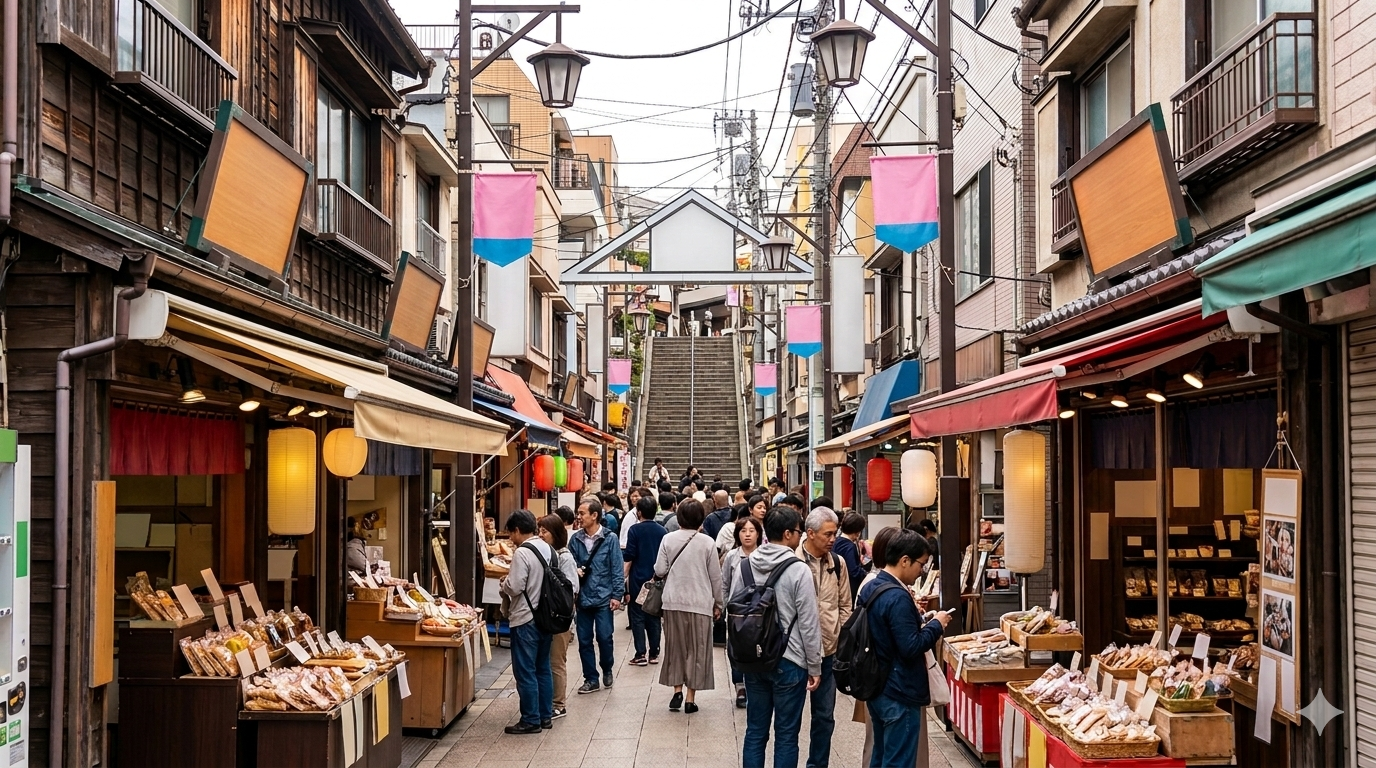
Yet matsuri are far from solemn or rigid. Their charm lies in joy that is nearly unstoppable! Picture a summer evening in a small town: rows of yatai (food stalls) selling sweet taiyaki and okonomiyaki, children running with water balloons, young couples enjoying fireworks overhead. Traditional music blends with laughter, creating a warm, contagious collective energy. The Japanese may be known for discipline, but during matsuri, they make room for shared fun.
Matsuri teaches that hard work and joy can coexist, that togetherness need not be rigid, and that laughter itself is a genuine expression of community spirit.
It’s no exaggeration to say matsuri are the heart of Japanese social life, reflecting the spirit of community in society. In a fast-paced, individualistic world, matsuri remind us that true happiness often comes from simple things: working together, sharing laughter, and preserving traditions. Every lit lantern, every shouted “wasshoi!”, every synchronized dance step proves that humans need companionship to feel truly alive. Perhaps that is why these festivals have endured for centuries: Japan has found a way to remain itself—modern yet warm, progressive yet rooted, bustling yet meaningful. So, if you have the chance to visit Japan and attend a matsuri, don’t just watch the parades or enjoy the food—feel the energy of the community.