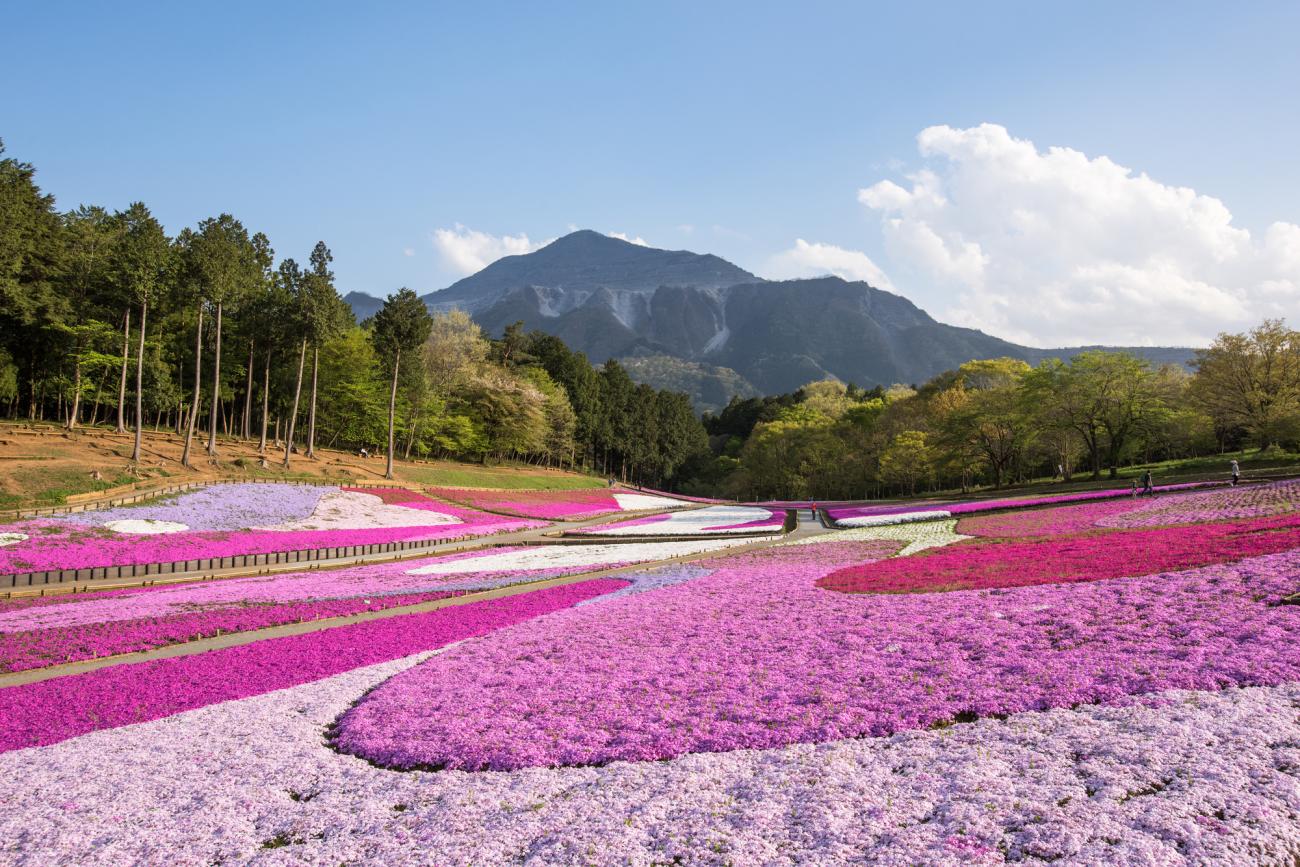
Traditional Japanese Architecture: A Harmony of Nature and Aesthetics
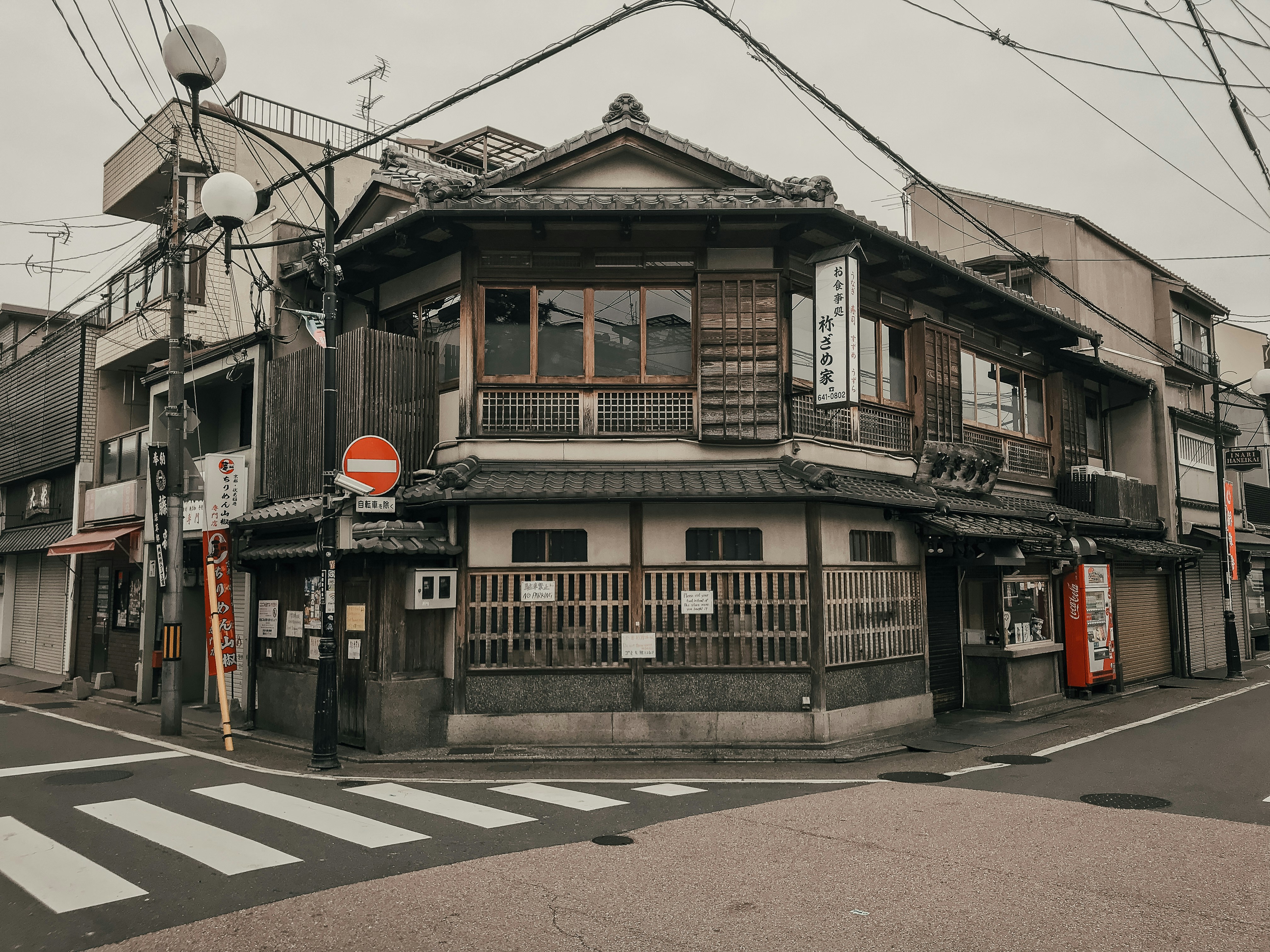
When talking about Japan, many people might immediately think of Mount Fuji, cherry blossoms, or the futuristic atmosphere of Tokyo. However, behind these iconic images, Japan also has a rich architectural heritage full of philosophical meaning. Traditional Japanese architecture is not merely about the physical form of buildings; it reflects the way of thinking, worldview, and spiritual connection of its people with nature. Every detail—from simple wooden structures to meticulously designed gardens—embodies a philosophy of balance, harmony, and beauty derived from simplicity. Japanese architecture teaches that true beauty is not found in excessive grandeur, but in tranquility that blends with its surroundings.
The roots of traditional Japanese architecture can be traced back centuries, when Japanese society lived in harmony with nature. Materials such as wood, bamboo, straw, and paper were used not only because they were abundant but also because of their organic qualities and adaptability to Japan’s humid and snowy climate. Traditional structures like minka (commoners’ houses), shoin-zukuri (noble residences), and sukiya-zukuri (tea houses) emphasize simplicity in form, employing wooden joinery without nails, allowing flexibility and resilience against earthquakes. This approach demonstrates the ingenuity of Japanese architects in balancing function and aesthetics. Every part of a house has a role and meaning—for example, the engawa, a narrow veranda connecting the interior and exterior, symbolizes harmony between humans and nature.
A hallmark of Japanese architecture is its ability to utilize space efficiently and flexibly. Traditional homes generally have no permanent partitions, instead using fusuma (sliding doors made of paper) or shoji (wood-framed sliding doors with translucent paper). These elements allow rooms to be easily transformed—a bedroom can become a living or dining space in an instant. Soft natural light filtering through shoji creates a calm and peaceful atmosphere inside. The interplay of light and shadow contributes to the aesthetic concept of wabi-sabi, the beauty found in simplicity, imperfection, and transience. In Japanese culture, space is not only a vessel for human activity but also a reflection of the soul and the mood of its inhabitants.
Beyond residential architecture, the influence of traditional Japanese design is also evident in religious buildings such as Shinto and Buddhist temples. Shinto shrines are built on principles of purity and closeness to nature. The torii, a red wooden gate at the entrance of a shrine, symbolizes the transition from the profane world to the sacred. Meanwhile, Buddhist temples such as Kinkaku-ji (Golden Pavilion) and Ginkaku-ji (Silver Pavilion) in Kyoto exhibit a more meditative beauty. The combination of water, stones, and carefully arranged gardens creates a contemplative atmosphere. Every stone, tree, and pond is placed thoughtfully to reflect the balance of the universe. Visitors are invited to walk through these gardens and reflect, merging with the surrounding nature.
The philosophy of integrating humans with nature is also evident in Japanese garden design, which is often an essential part of traditional architecture. Japanese gardens are not merely green spaces but living works of art. There are various types, such as karesansui (dry rock gardens), which depict flowing water through patterns of sand and stones, and chaniwa, small gardens guiding visitors to tea houses. Every element—water, stone, plants, and wooden bridges—is designed to offer a harmonious spiritual and visual experience. Nothing is excessive or dominating. This embodies the principles of shizen (naturalness) and ma (empty space), creating balance and serenity. Walking through a garden is akin to walking through one’s own mind: slow, mindful, and peaceful.
Beyond philosophy and aesthetics, traditional Japanese architecture also demonstrates sophistication in adapting to the environment. Wide, sloping roofs help rain and snow slide off easily, while openable walls maximize airflow during summer. Natural materials allow homes to “breathe,” keeping them warm in winter and cool in summer. Even the orientation of houses considers sunlight, wind, and surrounding views. The principle of kenchiku, or “building with awareness,” is not just about constructing durable buildings but about creating a balance between function, beauty, and sustainability. This concept has inspired many modern architects, including global figures like Tadao Ando and Kengo Kuma, who integrate traditional elements with modern technology without losing the essence of Japan.
Interestingly, even though Japan is now filled with skyscrapers and high-tech architecture, the spirit of traditional design remains strong in daily life. Many modern homes still incorporate classic elements such as tatami, shoji, or mini gardens as a tribute to cultural heritage. In rural areas, old wooden houses still stand gracefully with natural elegance. The Japanese government actively preserves historical buildings like Kura-zukuri in Kawagoe and the traditional village of Shirakawa-go, now UNESCO World Heritage sites. This demonstrates that modernity does not necessarily mean abandoning the past; rather, it means learning from it to create a more balanced and human-centered future.
More than just an architectural style, traditional Japanese buildings express a life philosophy emphasizing simplicity, harmony, and respect for nature. Every wall, window, and empty space has meaning, constantly teaching people to live in balance and appreciate the small things often overlooked. Japanese architecture encourages experiencing tranquility not through luxury, but through quiet and sincere presence. In today’s fast-paced, busy world, these values remind us that true beauty may not be found in the glitter of cities, but in the silent relationship between humans and nature.
Traditional Japanese architecture, with all its subtlety, is not only about visual aesthetics but also about a worldview. It is a perfect fusion of art and spirituality, function and beauty, humans and nature. Every building is not just a shelter but a space for thinking, feeling, and connecting with the world. From simple wooden houses in rural areas to magnificent temples in Kyoto, they all convey the same message: life feels beautiful when we are in harmony with nature, and true architecture is not just about building walls, but about building peace within the human spirit.